Coming soon on Google Play

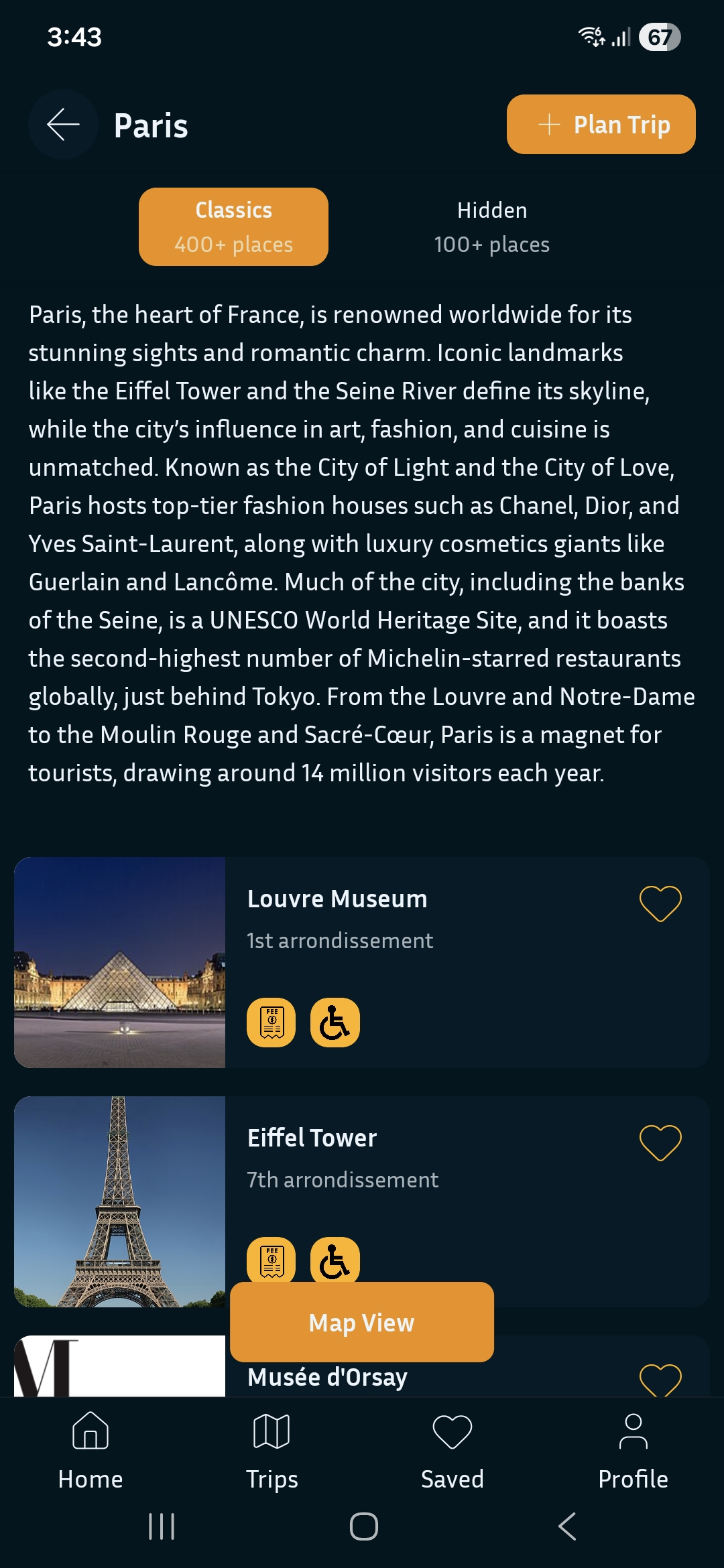
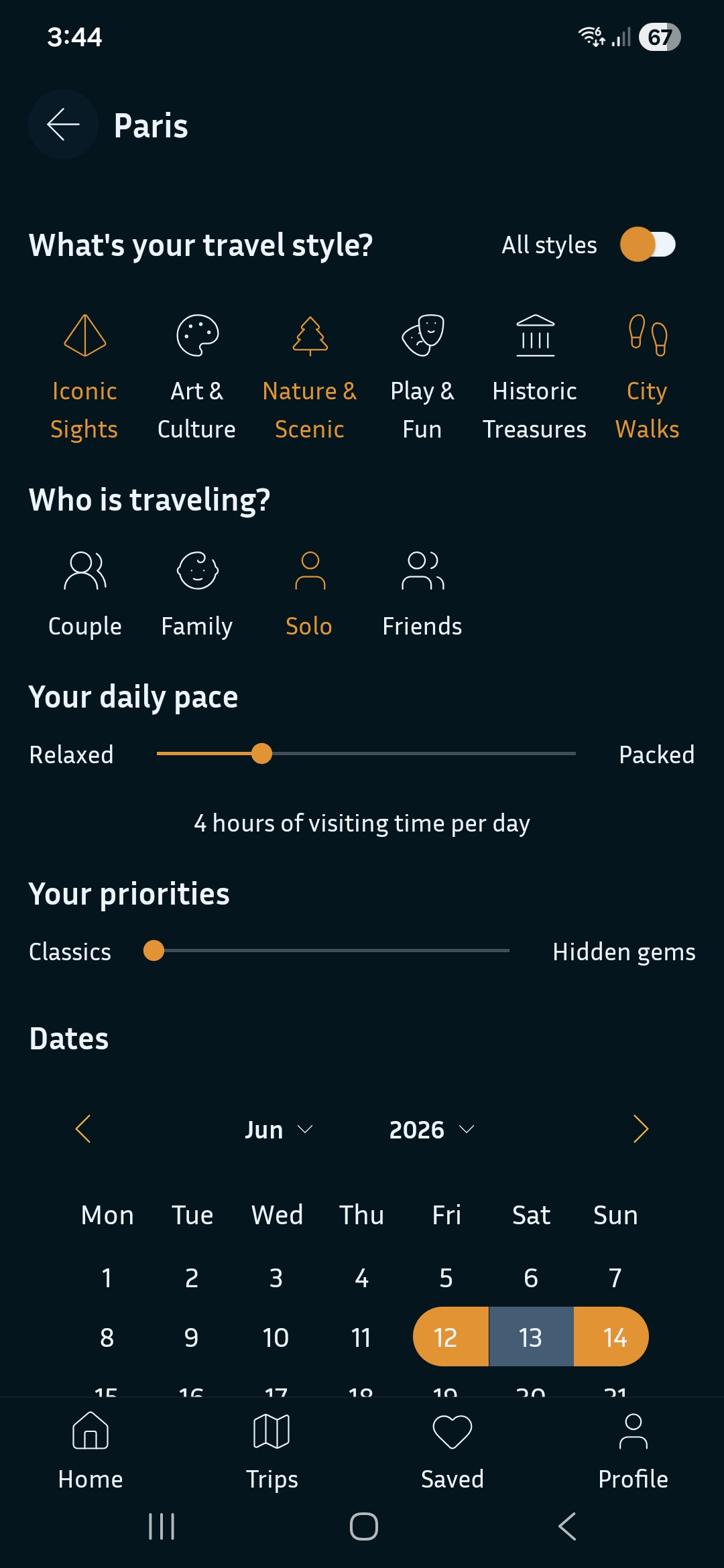
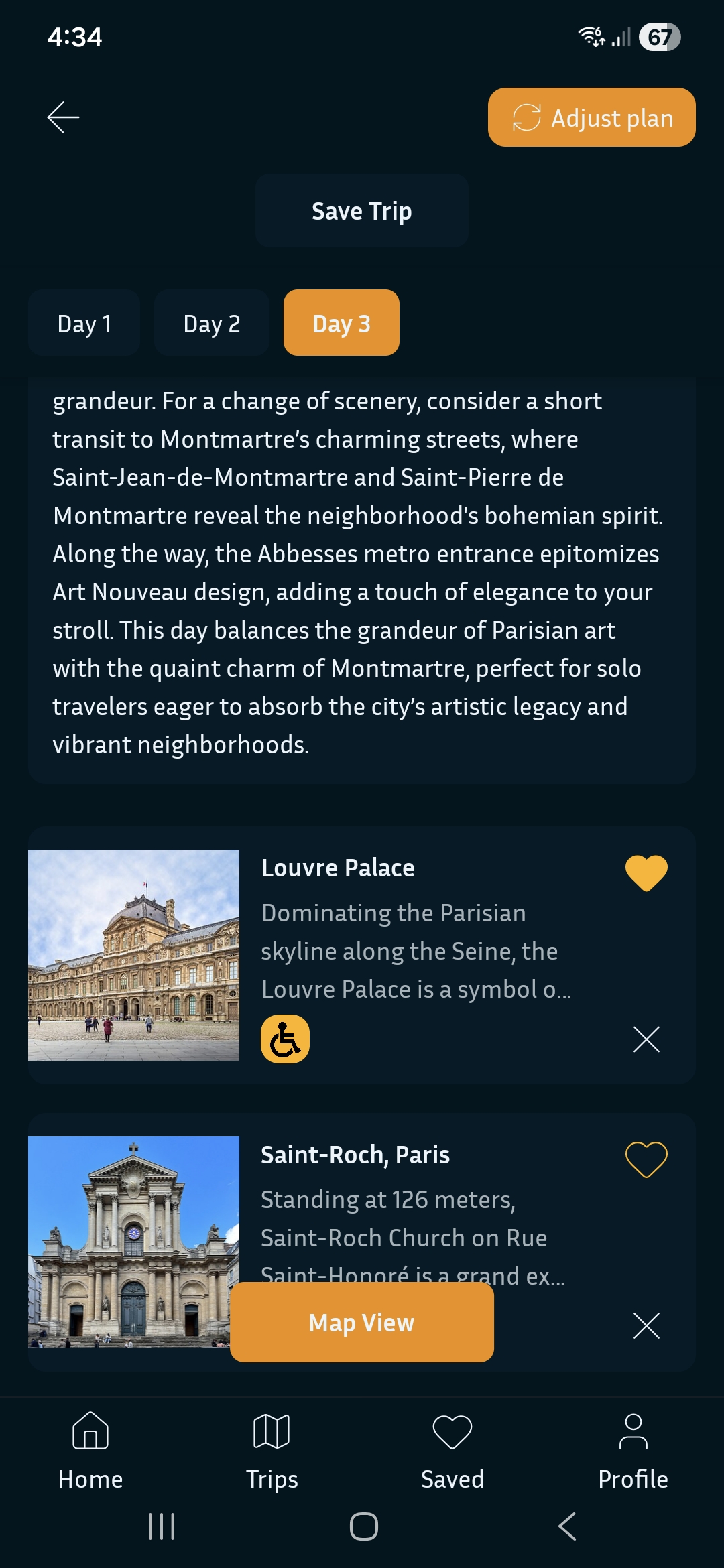
Your city, mapped and narrated.

Join the waitlist

Free to start · Freemium · Europe-first · Built for busy families

Trails to explore

Castle of Brescia

Castle of Brescia

Brescia

Perched atop the Cidneo hill, Brescia Castle—also known as Falcone d’Italia—commands sweeping views over the city, the Alps, and the lush valleys beyond. Tracing back to pre-Roman times and fortified in the 16th century by Venice, this fortress is a testament to Brescia’s strategic importance through the ages. Its formidable walls and towers house museums dedicated to arms and Italy’s Risorgimento, offering a glimpse into both military history and national unity. Wander through its ramparts, explore ancient Roman foundations, and soak in panoramic vistas that reveal Brescia’s layered history from medieval to modern times—a boundless story waiting to be uncovered.

Mauzoleum Piastów Śląskich

Mauzoleum Piastów Śląskich

Wrocław

The Mausoleum of Silesian Piasts in Wrocław is a historic resting place nestled within the Church of St. Clare and St. Jadwiga. It houses the tombs and relics of notable Silesian rulers from the Piast dynasty, including Henryk III Biały, Henryk V Gruby, and the last duke, Henryk VI Dobry. The site also commemorates princesses and notable figures like Anna Przemyślidka and the urn with the heart of Karolina Piastówna. Rebuilt after wartime destruction between 1968 and 1970 under Edmund Małachowicz’s direction, the mausoleum offers a poignant glimpse into Wrocław’s medieval past and the enduring legacy of the Piast lineage.

San Giovanni degli Eremiti

San Giovanni degli Eremiti

Palermo

San Giovanni degli Eremiti is a captivating slice of Palermo’s past, distinguished by its striking red domes that echo Arab influences from the 12th century. Hidden behind lush gardens, this church offers a peaceful retreat into the city’s layered history, where Islamic architecture and Norman craftsmanship intertwine—an offbeat jewel for those seeking spiritual serenity and architectural intrigue.

Tyniec Abbey

Tyniec Abbey

Kraków

Perched on the scenic banks of the Vistula, Tyniec Abbey is a living relic of monastic tradition. As the oldest functioning monastery in Poland, it dates back to the 11th century and offers a peaceful retreat into history. The abbey’s ancient walls, coupled with the tranquil river vistas, make it a captivating destination for those seeking spiritual reflection and a taste of medieval life.

Milecastle 9

Milecastle 9

Newcastle upon Tyne

Hidden amidst the modern roads of West Denton, Milecastle 9 — also known as Chapel House — whispers tales from the Roman frontier. Though mostly buried beneath A69 and B6528, its low platform remnants mark the northern boundary of Hadrian's Wall, built in the early 2nd century AD. This archaeological fragment offers a tantalizing glimpse into Roman military engineering and the fierce history guarding Britain’s northern edge.

Choral Synagogue of Vilnius

Choral Synagogue of Vilnius

Vilnius

Nestled in Vilnius' Old Town, the Choral Synagogue—also known as Taharat Ha-Kodesh—is the only one left standing from the original 105 to 110 synagogues that once served the Jewish community. Built in 1903 and designed by Rosenhaus and Polozovas in an eye-catching mix of Romanesque and Moorish styles, it’s a vital piece of the city’s history. Today, it remains in use, standing as a testament to Vilnius’ resilient Jewish heritage, especially since many others were destroyed during WWII and Soviet occupation.

Church of St. John of Jerusalem Outside the Walls

Church of St. John of Jerusalem Outside the Walls

Poznań

Situated near Lake Malta, the Church of Saint John of Jerusalem outside the walls is among Poznań’s oldest religious structures. Established at the end of the 11th century, this Romanesque church was once under the care of the Knights Hospitallers and remains a vital part of the city’s spiritual landscape today. Its location outside the medieval city walls highlights its historical role as a pilgrimage destination and community hub.

Harrods

Harrods

London

Harrods, the world-famous luxury department store in Knightsbridge, has been a London icon since 1905. Covering an astonishing 1.1 million square feet, it’s a shopping paradise for high-end fashion, gourmet foods, and exclusive brands. Originally opened by Charles Harrod, it’s now owned by Qatar’s sovereign wealth fund, but still maintains its reputation for elegance and grandeur. Visitors can browse its opulent aisles, enjoy fine dining, or simply marvel at its historic architecture—an essential London experience.

port of the Moon

port of the Moon

Bordeaux

Known as the Port of the Moon, Bordeaux’s historic harbor has charmed visitors for centuries with its distinctive crescent shape etched along the Garonne River. This emblematic feature, depicted on the city’s coat of arms, symbolizes Bordeaux’s legacy as a vital hub of trade and commerce since the Middle Ages. Today, the area is a vibrant scene for leisure and tourism, enriched by UNESCO’s recognition of its extensive 1,800 hectares of historic quays, grand architecture, and a wealth of over 350 protected monuments. The port’s elegant neoclassical and classical style reflects Bordeaux’s luminous Enlightenment era, while recent revitalization efforts have renewed its allure as a sophisticated riverside promenade.

Lighthouse of Genoa

Lighthouse of Genoa

Genoa

Genoa’s iconic lighthouse, known locally as La Lanterna, has watched over the port for centuries. Rising 77 meters tall, it’s the tallest traditional lighthouse in Italy and a symbol as recognizable as the city itself. Originally built in the 16th century, this maritime beacon has guided countless ships safely into port and stands as a proud testament to Genoa’s seafaring legacy. Climb up or admire it from afar—either way, the Lanterna is a storybook landmark that captures the spirit of the city.

St. Laurentius (Maua)

St. Laurentius (Maua)

Jena

Standing proudly in Maua, St. Laurentius is the local evangelical church that has served the community for generations. Its welcoming presence makes it a key part of the neighborhood’s identity, inviting visitors to step inside and experience a piece of Jena’s spiritual life.

Alexander Nevsky Cathedral

Alexander Nevsky Cathedral

Sofia

Dominating Sofia’s skyline, the Alexander Nevsky Cathedral is a breathtaking example of Neo-Byzantine architecture. Built between 1882 and 1912, this grand cathedral is not only a spiritual center but also a symbol of Bulgaria’s national identity. Its gleaming domes and intricate mosaics draw visitors from around the world, making it a must-see landmark in Bulgaria’s capital.

Three steps to your trip

EuroTrails builds your days so you spend time in the city, not in tabs.

1

Browse the city

2

Shape your trip

3

Follow the map and story

Scroll to see all steps

Why EuroTrails

A great city break shouldn’t feel like a second job. Here’s what you get.

  • Places worth your time

    Classics, local favourites, and mood — organised so you can choose quickly.

  • Hidden gems included

    Go beyond the obvious without hunting through forums and blog posts.

  • Trusted travel voices

    Curated with insights from renowned travel bloggers, not random lists.

  • Your favourites, your itinerary

    Save what you love — EuroTrails builds a plan that feels personal.

  • Built for busy travellers

    Make the most of a few days away without evenings lost to planning.

  • Clear days, clear stories

    Open data, smart routing, and an AI-written narrative for each day.

Get launch updates

Be first to know when EuroTrails lands on Google Play.

FAQ

  • What is EuroTrails?

    A mobile app for European city breaks — curated places, your shortlist, and a day-by-day plan with routes on the map and a story for each day. For couples and families who want more than a pin list or a blog to stitch together.

  • When is it available, and where?

    Not yet. Android (Google Play) first; iOS may follow. Europe-first — see which cities are live in the app. Join the waitlist for launch news.

  • Is it free? Do I need an account?

    Free to start, with optional paid features later (we’ll announce pricing first). You’ll need an account to save places, plan, and keep trips.

  • Does it use AI?

    Yes — for day narratives and some place text, using your trip preferences. Details in our Privacy Policy.

  • Mobile only? How good are the routes?

    Planning is app-only; this site is for the waitlist. Routes favour sensible walking order — check hours on the ground and adjust in the app.