

- typical visit
- 60 min
Bulgaria
Plovdiv
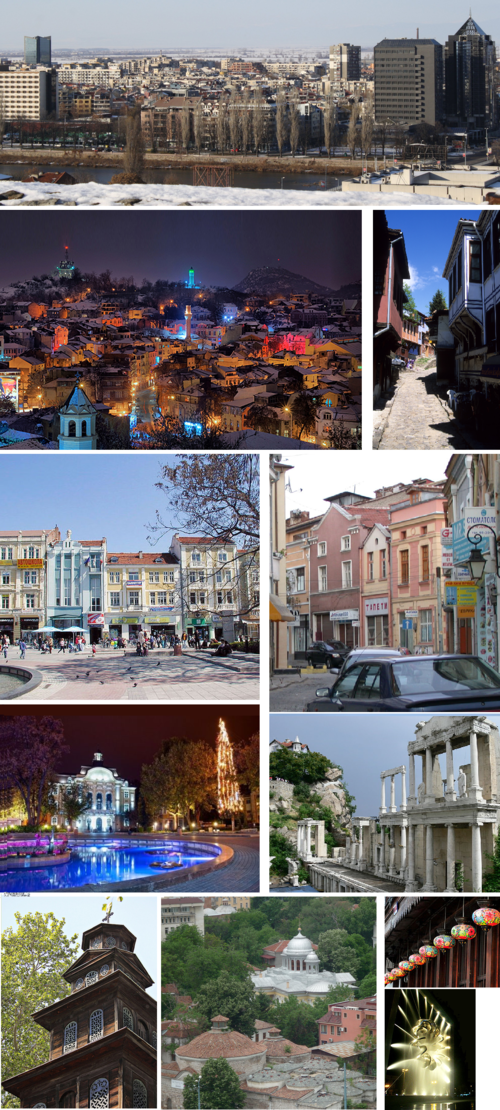
Nestled in Bulgaria’s heartland, Plovdiv emerges as a mesmerizing mosaic of history, culture, and mystery. As Europe's second-oldest city and a proud holder of the 2019 European Capital of Culture title, it’s a place where ancient ruins whisper stories from millennia past amid vibrant streets. Perched on seven ancient hills on the fertile banks of the Maritsa River, this city’s roots stretch back to the 6th millennium BC, making it a playground for history buffs and curious travelers alike. From Thracian beginnings as Pulpudeva to its rule by Persians, Romans, Byzantines, Ottomans, and beyond, Plovdiv’s layered past is a testament to its resilience and allure. Its Roman theater, aqueduct, and stadium stand as silent witnesses to a civilization that has thrived through centuries of upheaval, including sieges by Goths, Huns, and Bulgars. Once the jewel of Roman Thracia and a hub on ancient routes connecting the Black Sea to the Aegean, the city’s strategic importance persisted through the ages. Today, its eclectic charm is celebrated with lively festivals, a UNESCO-recognized educational legacy, and a skyline crowned by the legendary Seven Hills—each one whispering tales of empires long gone but never forgotten.
Image: Wikimedia Commons
Get to know more
Things to do
## Things to do in Plovdiv Plovdiv is one of Europe’s oldest continuously inhabited cities, famous for the way Thracian, Roman, Ottoman and Bulgarian Revival history sits alongside a lively contemporary arts and food scene. Start in the Old Town, where cobbled streets lead past colourful National Revival houses, small museums and the Ancient Roman Theatre. The theatre is still used for concerts and opera, while nearby Nebet Tepe provides broad views across the rooftops and the city’s surrounding hills. For another glimpse of antiquity, look for the Roman Stadium and the Ancient Forum in and around the modern centre. For relaxed city-centre exploring, walk along Glavnata, Plovdiv’s main pedestrian street, then continue into Kapana Creative District for galleries, independent shops, cafés, restaurants, bars and street art. The central gardens offer an easy break from sightseeing, and the Singing Fountains are a popular seasonal evening stop when performances are scheduled. Plovdiv’s hills also make good informal viewpoints: Bunardzhik (Aliosha), Dzhendem Tepe and Sahat Tepe each offer a different perspective, especially around sunset. Families can combine the parks and hill walks with the city’s museums, while visitors interested in local culture can look for exhibitions, theatre, music and festival events in the official cultural calendar. A weekend in Plovdiv works well because the principal sights are walkable and the city has plenty to do after museums close: browse Kapana, dine on Bulgarian specialities, listen to live music or attend a performance at the Ancient Roman Theatre when one is scheduled. If you have additional time, make a day trip into the Rhodope foothills to see Asen’s Fortress and Bachkovo Monastery; check transport and opening arrangements before setting out. Together, the archaeological layers, pedestrian centre, hills, creative quarter and cultural programme explain why Plovdiv is often regarded as Bulgaria’s cultural capital.
Things to do
## Things to do in Plovdiv Plovdiv is one of Europe’s oldest continuously inhabited cities, famous for the way Thracian, Roman, Ottoman and Bulgarian Revival history sits alongside a lively contemporary arts and food scene. Start in the Old Town, where cobbled streets lead past colourful National Revival houses, small museums and the Ancient Roman Theatre. The theatre is still used for concerts and opera, while nearby Nebet Tepe provides broad views across the rooftops and the city’s surrounding hills. For another glimpse of antiquity, look for the Roman Stadium and the Ancient Forum in and around the modern centre. For relaxed city-centre exploring, walk along Glavnata, Plovdiv’s main pedestrian street, then continue into Kapana Creative District for galleries, independent shops, cafés, restaurants, bars and street art. The central gardens offer an easy break from sightseeing, and the Singing Fountains are a popular seasonal evening stop when performances are scheduled. Plovdiv’s hills also make good informal viewpoints: Bunardzhik (Aliosha), Dzhendem Tepe and Sahat Tepe each offer a different perspective, especially around sunset. Families can combine the parks and hill walks with the city’s museums, while visitors interested in local culture can look for exhibitions, theatre, music and festival events in the official cultural calendar. A weekend in Plovdiv works well because the principal sights are walkable and the city has plenty to do after museums close: browse Kapana, dine on Bulgarian specialities, listen to live music or attend a performance at the Ancient Roman Theatre when one is scheduled. If you have additional time, make a day trip into the Rhodope foothills to see Asen’s Fortress and Bachkovo Monastery; check transport and opening arrangements before setting out. Together, the archaeological layers, pedestrian centre, hills, creative quarter and cultural programme explain why Plovdiv is often regarded as Bulgaria’s cultural capital.


Frequently asked questions
Build a day-by-day plan in the app
Turns city guides into routed itineraries with maps and stories.
