

Bulgaria
Sofia
Sofia, the vibrant capital and largest city of Bulgaria, is nestled in the Sofia Valley at the base of the Vitosha mountain in the country's western region. With a population approaching 2 million including suburbs, this city boasts a fascinating blend of architectural styles—ranging from striking European designs to historic communist-era structures—and is renowned for its wealth of Orthodox churches. Notable among these are the majestic Alexander Nevsky Cathedral and the medieval frescoes of Boyana Church, both UNESCO World Heritage sites. Unique among European capitals, Sofia offers stunning natural scenery and boasts a well-developed ski resort on nearby Vitosha Mountain, making it a city where urban life and outdoor adventure coexist seamlessly.
Image: Wikimedia Commons
Get to know more
Things to do
## Things to do in Sofia Sofia is a city of contrasts: ancient Roman remains, Orthodox churches, lively pedestrian streets, contemporary culture and mountain scenery all sit close together. To discover what Sofia is famous for, explore the historic heart around the Largo and Serdika archaeological complex, where Roman streets and buildings can be seen beneath the modern city. Continue through the central area to St Alexander Nevsky Cathedral, the Church of St Sofia, the Russian Church and the Rotunda of St George, then pause at the Central Mineral Baths or browse the museums and galleries around Alexander Nevsky Square. For things to do in Sofia city centre, walk along Vitosha Boulevard, Sofia’s principal pedestrian street, and continue towards the National Palace of Culture, a major venue for concerts, exhibitions and other cultural events. The centre is also well suited to relaxed café stops, Bulgarian food, evening drinks and independent shopping. Families and active visitors can use the parks and gardens, especially Borisova Gradina, with its paths, lakes, playgrounds, monuments and sports facilities. Football supporters can look for a match at one of the city’s stadiums, while cinemas, the Sofia Opera and Ballet, concert halls and cultural clubs provide indoor alternatives in cooler or wet weather. Sofia’s setting at the foot of Vitosha makes outdoor time one of the city’s defining pleasures. Hike in Vitosha Nature Park, head towards Black Peak, Golden Bridges or Boyana Waterfall, or simply enjoy the forest and panoramic views. At the mountain’s edge, the UNESCO-listed Boyana Church is known for its remarkably expressive 13th-century frescoes; it can be combined with the National Museum of History for a rewarding half-day or full-day outing. These excursions, along with the central museums, archaeological sites, parks, performances and food scene, make weekend activities in Sofia easy to vary throughout the year. Check the city events calendar for current exhibitions, concerts and cultural programmes before you go.
Things to do
## Things to do in Sofia Sofia is a city of contrasts: ancient Roman remains, Orthodox churches, lively pedestrian streets, contemporary culture and mountain scenery all sit close together. To discover what Sofia is famous for, explore the historic heart around the Largo and Serdika archaeological complex, where Roman streets and buildings can be seen beneath the modern city. Continue through the central area to St Alexander Nevsky Cathedral, the Church of St Sofia, the Russian Church and the Rotunda of St George, then pause at the Central Mineral Baths or browse the museums and galleries around Alexander Nevsky Square. For things to do in Sofia city centre, walk along Vitosha Boulevard, Sofia’s principal pedestrian street, and continue towards the National Palace of Culture, a major venue for concerts, exhibitions and other cultural events. The centre is also well suited to relaxed café stops, Bulgarian food, evening drinks and independent shopping. Families and active visitors can use the parks and gardens, especially Borisova Gradina, with its paths, lakes, playgrounds, monuments and sports facilities. Football supporters can look for a match at one of the city’s stadiums, while cinemas, the Sofia Opera and Ballet, concert halls and cultural clubs provide indoor alternatives in cooler or wet weather. Sofia’s setting at the foot of Vitosha makes outdoor time one of the city’s defining pleasures. Hike in Vitosha Nature Park, head towards Black Peak, Golden Bridges or Boyana Waterfall, or simply enjoy the forest and panoramic views. At the mountain’s edge, the UNESCO-listed Boyana Church is known for its remarkably expressive 13th-century frescoes; it can be combined with the National Museum of History for a rewarding half-day or full-day outing. These excursions, along with the central museums, archaeological sites, parks, performances and food scene, make weekend activities in Sofia easy to vary throughout the year. Check the city events calendar for current exhibitions, concerts and cultural programmes before you go.


Frequently asked questions
Build a day-by-day plan in the app
Turns city guides into routed itineraries with maps and stories.
Nearby cities
Within travel distance of Sofia.
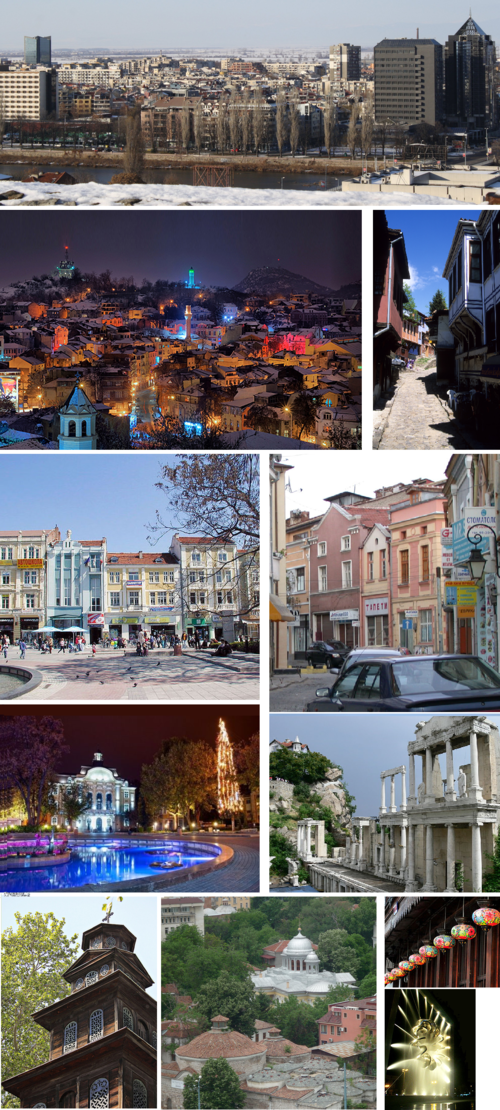
Plovdiv
Bulgaria
Nestled in Bulgaria’s heartland, Plovdiv emerges as a mesmerizing mosaic of history, culture, and mystery. As Europe's second-oldest city and a proud holder of the 2019 European Capital of Culture title, it’s a place where ancient ruins whisper stories from millennia past amid vibrant streets. Perched on seven ancient hills on the fertile banks of the Maritsa River, this city’s roots stretch back to the 6th millennium BC, making it a playground for history buffs and curious travelers alike. From Thracian beginnings as Pulpudeva to its rule by Persians, Romans, Byzantines, Ottomans, and beyond, Plovdiv’s layered past is a testament to its resilience and allure. Its Roman theater, aqueduct, and stadium stand as silent witnesses to a civilization that has thrived through centuries of upheaval, including sieges by Goths, Huns, and Bulgars. Once the jewel of Roman Thracia and a hub on ancient routes connecting the Black Sea to the Aegean, the city’s strategic importance persisted through the ages. Today, its eclectic charm is celebrated with lively festivals, a UNESCO-recognized educational legacy, and a skyline crowned by the legendary Seven Hills—each one whispering tales of empires long gone but never forgotten.
Niš
Serbia
Nestled in the heart of Serbia, Niš emerges as a city steeped in history and cultural significance. Serving as the administrative hub of the Nišava District, this vibrant city has long been a crossroads of civilizations. For travelers journeying towards Greece or the Middle East, Niš offers a compelling glimpse into the past, where ancient ruins, historic landmarks, and a lively local scene converge to tell stories of centuries gone by.