

- typical visit
- 45 min

France
Calais
Calais, a refined port city in the Hauts-de-France region, invites travelers to experience its unique blend of history, commerce, and coastal charm. With a population of approximately 73,000 residents as of 2019, this city holds a strategic position just 32 kilometers from England across the English Channel—Dover’s white cliffs are visible on clear days. Known for its bustling ferry port and proximity to the Channel Tunnel, Calais is a gateway to the UK and a hub of international trade. While many visitors arrive for the convenience of lower taxes on alcohol and tobacco, Calais reveals much more beneath its portside façade—rich history, vibrant local culture, and a resilient spirit that echoes through its centuries of transformation.
Image: Wikimedia Commons
Get to know more
Things to do
## What to do in Calais Calais is a lively Channel port where maritime history, contemporary culture and open-air adventure come together. For a sense of what Calais is famous for, start with its lace-making heritage at the Cité de la Dentelle et de la Mode, where working machines and fashion exhibitions show how local lace became internationally renowned. The city is also known for Rodin’s **Burghers of Calais**, displayed beside the striking neo-Flemish Town Hall. Climb the Town Hall belfry for views across the port, coast and city, or explore the Museum of Fine Arts, whose collections include works connected with the famous monument. For what to do in Calais city centre, combine the Town Hall and Burghers of Calais with a walk through the Art Deco streets and the city’s open-air street-art trail. More than 60 murals bring colour to the post-war architecture, while the historic Courgain Maritime district and Calais Lighthouse offer a closer look at the city’s fishing and seafaring past. The lighthouse provides wide views over the port and coastline when open, and Fort Risban stands near the harbour entrance. Along the seafront, Calais Beach is ideal for an easy walk, cycling, family time or watching ferries cross the Strait. The beach is also where the spectacular Calais Dragon appears: this large mechanical creature gives guided rides and moves along the promenade in a memorable piece of urban theatre. Active visitors can try sailing, kite surfing, beach volleyball, coastal walking or char à voile (land yachting), with popular sand-yachting opportunities around Les Hemmes de Marck. On rainy days, museums, the Alhambra cinema and Calais’s cultural venues provide indoor alternatives. Weekend activities in Calais can easily combine the city and the coast. Allow time for the museums and heritage quarter, then head west to the **Grand Site de France des Deux-Caps**. At Cap Blanc-Nez, paths lead across chalk downs and towards Escalles beach, with dramatic views of the English coast and busy Channel shipping; walkers and cyclists can continue towards Cap Gris-Nez on coastal routes including the GR 120. Check tide and weather conditions before descending to the beaches, and allow extra time if travelling without a car. Together, the beach, dragon, lace, street art, historic centre and nearby cliffs make Calais suitable for a short stop, a full day or a relaxed weekend on the Opal Coast.
Things to do
## What to do in Calais Calais is a lively Channel port where maritime history, contemporary culture and open-air adventure come together. For a sense of what Calais is famous for, start with its lace-making heritage at the Cité de la Dentelle et de la Mode, where working machines and fashion exhibitions show how local lace became internationally renowned. The city is also known for Rodin’s **Burghers of Calais**, displayed beside the striking neo-Flemish Town Hall. Climb the Town Hall belfry for views across the port, coast and city, or explore the Museum of Fine Arts, whose collections include works connected with the famous monument. For what to do in Calais city centre, combine the Town Hall and Burghers of Calais with a walk through the Art Deco streets and the city’s open-air street-art trail. More than 60 murals bring colour to the post-war architecture, while the historic Courgain Maritime district and Calais Lighthouse offer a closer look at the city’s fishing and seafaring past. The lighthouse provides wide views over the port and coastline when open, and Fort Risban stands near the harbour entrance. Along the seafront, Calais Beach is ideal for an easy walk, cycling, family time or watching ferries cross the Strait. The beach is also where the spectacular Calais Dragon appears: this large mechanical creature gives guided rides and moves along the promenade in a memorable piece of urban theatre. Active visitors can try sailing, kite surfing, beach volleyball, coastal walking or char à voile (land yachting), with popular sand-yachting opportunities around Les Hemmes de Marck. On rainy days, museums, the Alhambra cinema and Calais’s cultural venues provide indoor alternatives. Weekend activities in Calais can easily combine the city and the coast. Allow time for the museums and heritage quarter, then head west to the **Grand Site de France des Deux-Caps**. At Cap Blanc-Nez, paths lead across chalk downs and towards Escalles beach, with dramatic views of the English coast and busy Channel shipping; walkers and cyclists can continue towards Cap Gris-Nez on coastal routes including the GR 120. Check tide and weather conditions before descending to the beaches, and allow extra time if travelling without a car. Together, the beach, dragon, lace, street art, historic centre and nearby cliffs make Calais suitable for a short stop, a full day or a relaxed weekend on the Opal Coast.
Frequently asked questions
Build a day-by-day plan in the app
Turns city guides into routed itineraries with maps and stories.
Explore more in France
Nearby cities
Within travel distance of Calais.

Dunkerque
France
Discover the captivating allure of Dunkirk, a historic port city in the Hauts-de-France region of northern France. Just 10 kilometers from the Belgian border, this vibrant destination offers a perfect starting point for exploring the European mainland, especially for travelers arriving from the UK. Beyond its strategic importance, Dunkirk beckons with its enchanting beaches, charming shopping districts, and a culinary scene that masterfully blends traditional Flemish flavors with fresh seafood. Renowned for the heroic Dunkirk Evacuation of World War II, where over eight days, a fleet of 900 vessels—comprising British, Canadian, French navy ships, and countless civilian boats—rescued 338,000 encircled soldiers, the city’s history is woven into its very fabric.

Canterbury
United Kingdom
Nestled in the heart of Kent in southeastern England, Canterbury is a city rich in history and spiritual significance. It’s renowned for its majestic cathedral, which serves as the spiritual seat of the Archbishop of Canterbury—the leading figure of the Anglican Communion and the spiritual leader of the Church of England. Beyond its religious importance, Canterbury also boasts a vibrant university scene and a charming mix of historic streets and modern life, making it a fascinating destination where history and culture intertwine.

Ostend
Belgium
Ostend, known locally as Oostende, meaning 'East End,' is a vibrant seaside city nestled along Belgium's coast in West Flanders. With a population of around 70,000, this city has long been a magnet for those seeking the allure of the North Sea. Its beaches, which first captivated European aristocracy in the 19th century, continue to charm visitors today—though now the scene is more democratic, filled with towering holiday apartments and bustling hotels that line the shoreline. The promenade is a lively tableau of classic seaside charm, hosting a grand musical theatre and a casino, echoing generations of vacationers. Beyond its reputation as a holiday haven, Ostend also serves as an important port for cargo traffic across the English Channel, although passenger ferry services to the UK have stopped.
Lille
France
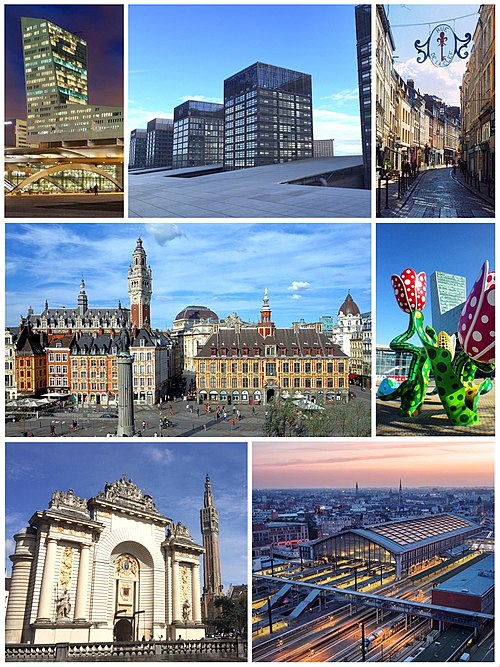
Lille, known locally as Rijsel in Dutch, stands at the heart of one of France’s most expansive metropolitan areas. This vibrant city boasts a striking historic core filled with charming Flemish-style architecture, making it a visual treat for visitors. As a hub of innovation and learning, Lille pulses with a lively nightlife fueled by its large student population and thriving cultural scene. Strategically positioned at Europe’s crossroads in Hauts-de-France, it’s just a 90-minute train ride from Paris, Brussels, and London. The surrounding towns of Villeneuve d'Ascq, Roubaix, and Tourcoing are all part of this dynamic metropolitan fabric, offering even more to explore.

Brugge
Belgium
Hidden beneath the unassuming charm of its cobblestone streets lies a tapestry of history and mystery—welcome to Bruges, the fairy-tale city of Flanders. Once Europe's wealthiest hub, this compact jewel boasts a remarkably preserved medieval center that draws over 400,000 curious souls each year, eager to wander through its enchanting canals and timeless architecture.

Amiens
France
Discover Amiens, the vibrant heart of Hauts-de-France, where history, culture, and modern life collide. Just a short trip from Paris and Lille, this city is famed for its breathtaking Gothic masterpiece, Amiens Cathedral, the largest of its kind in France. Beyond its historic charm, Amiens is a hub of innovation with one of France’s largest university hospitals and a rich literary legacy—home to Jules Verne and the birthplace of President Emmanuel Macron. Steeped in history, the city bears scars from both World Wars but has risen anew, blending striking contemporary architecture like Pierre Dufau's wide streets and Auguste Perret’s iconic Gare d'Amiens. Explore lively neighborhoods, the scenic hortillonnages gardens, and cultural gems like the Musée de Picardie or the bustling Saint-Leu district. Come December, the city transforms into a winter wonderland, hosting the region’s largest Christmas market. Indulge in local delicacies such as almond macarons, orange-chocolate tuiles, duck pâté, and savory crêpes—each taste a nod to Amiens’ rich culinary tradition.

Gent
Belgium
Nestled in the heart of East Flanders, Ghent emerges as a city where history whispers from every stone. Once a medieval powerhouse, its wealth and influence shimmer through majestic churches and opulent merchant houses that stand as silent witnesses to a bygone era. The city center, painstakingly restored, breathes life into the echoes of a thriving city-state, where cobblestone streets are car-free corridors leading visitors through a living museum of Europe’s medieval grandeur. Here, the atmosphere is one of open invitation—welcoming, vibrant, and steeped in stories of prosperity and power.

Brighton
United Kingdom
Brighton, a historic seaside resort on England’s southeastern coast in East Sussex, has long been celebrated for its elegant Regency architecture and vibrant cultural scene. Located just 47 miles south of London, this charming city emerged from ancient settlements dating back to the Bronze Age, Roman, and Anglo-Saxon periods, with its earliest mention as 'Brighthelmstone' in the Domesday Book of 1086. Throughout the Middle Ages, Brighton grew as a bustling Old Town, though it faced periods of decline due to external threats and economic hardships. The town’s fortunes shifted in the Georgian era, when the Prince Regent—later King George IV—made it a fashionable retreat, commissioning the iconic Royal Pavilion. The arrival of the railway in 1841 transformed Brighton into a hub for Victorian tourists and day-trippers from London, with landmarks like the Grand Hotel and Palace Pier shaping its seaside charm. Today, Brighton is known for its diverse communities, lively arts and music scene, and its reputation as the UK's unofficial gay capital, boasting a large LGBT population and a reputation as the happiest and most trendsetting city in Britain.