


- typical visit
- 75 min
France
Le Havre
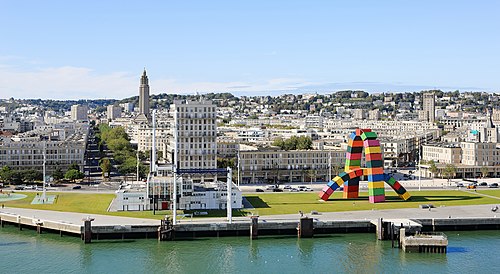
Discover Le Havre, a captivating port city where history and modernity intertwine along France’s northern coast. Situated at the mouth of the Seine on the English Channel, this vibrant city has been reborn through a remarkable post-World War II reconstruction led by architect Auguste Perret, whose innovative use of concrete transformed its skyline. Recognized as a UNESCO World Heritage Site since 2005, Le Havre’s unique blend of architectural ingenuity and maritime tradition invites travelers to explore its contrasts—an industrial powerhouse with a refined cultural scene. As France’s second-largest container port and a hub of international trade since its founding by King Francis I in 1517, Le Havre continues to evolve, balancing its bustling port activities with sophisticated art collections, including the renowned André Malraux Museum of Impressionism.
Image: Wikimedia Commons
Get to know more
Things to do
Le Havre is famous for the bold post-war architecture of its UNESCO-listed city centre, rebuilt by Auguste Perret after the Second World War. Explore the spacious avenues around Hôtel de Ville, climb the town hall tower for a panoramic view, and visit Saint Joseph’s Church, whose colourful lantern tower and thousands of stained-glass windows make it one of the city’s most striking sights. A guided visit to the Perret model apartment adds a more intimate look at 1950s design and everyday life. In the city centre, combine architecture with culture at the MuMa André Malraux Museum of Modern Art, known for its Impressionist and modern collections in a light-filled building beside the sea, then see a performance or contemporary programme at Le Volcan, Oscar Niemeyer’s distinctive arts centre. Le Havre is also famous for its connection with Impressionism: Claude Monet painted Impression, Sunrise here, giving the movement its name. The harbour, marina and seafront make the city equally enjoyable outdoors. Walk or cycle along the beach promenade, lined with colourful huts, cafés and restaurants, or continue west towards Sainte-Adresse for coastal views, elegant villas and the former fort’s gardens. The beach is close to the centre, so it is easy to combine a museum visit with fresh air beside the Channel. For a weekend in Le Havre, allow time to experience both its modern cityscape and seaside character rather than treating it only as a port stop. Explore the central squares and waterfront, pause for local food, and consider the Bains des Docks aquatic centre or the city’s changing programme of public art and exhibitions. Le Havre is also a practical base for a longer Normandy break, with Harfleur, Montivilliers, Étretat and Honfleur accessible for additional walks, heritage and coastal scenery.
Things to do
Le Havre is famous for the bold post-war architecture of its UNESCO-listed city centre, rebuilt by Auguste Perret after the Second World War. Explore the spacious avenues around Hôtel de Ville, climb the town hall tower for a panoramic view, and visit Saint Joseph’s Church, whose colourful lantern tower and thousands of stained-glass windows make it one of the city’s most striking sights. A guided visit to the Perret model apartment adds a more intimate look at 1950s design and everyday life. In the city centre, combine architecture with culture at the MuMa André Malraux Museum of Modern Art, known for its Impressionist and modern collections in a light-filled building beside the sea, then see a performance or contemporary programme at Le Volcan, Oscar Niemeyer’s distinctive arts centre. Le Havre is also famous for its connection with Impressionism: Claude Monet painted Impression, Sunrise here, giving the movement its name. The harbour, marina and seafront make the city equally enjoyable outdoors. Walk or cycle along the beach promenade, lined with colourful huts, cafés and restaurants, or continue west towards Sainte-Adresse for coastal views, elegant villas and the former fort’s gardens. The beach is close to the centre, so it is easy to combine a museum visit with fresh air beside the Channel. For a weekend in Le Havre, allow time to experience both its modern cityscape and seaside character rather than treating it only as a port stop. Explore the central squares and waterfront, pause for local food, and consider the Bains des Docks aquatic centre or the city’s changing programme of public art and exhibitions. Le Havre is also a practical base for a longer Normandy break, with Harfleur, Montivilliers, Étretat and Honfleur accessible for additional walks, heritage and coastal scenery.
Frequently asked questions
Build a day-by-day plan in the app
Turns city guides into routed itineraries with maps and stories.
Nearby cities
Within travel distance of Le Havre.
Caen
France
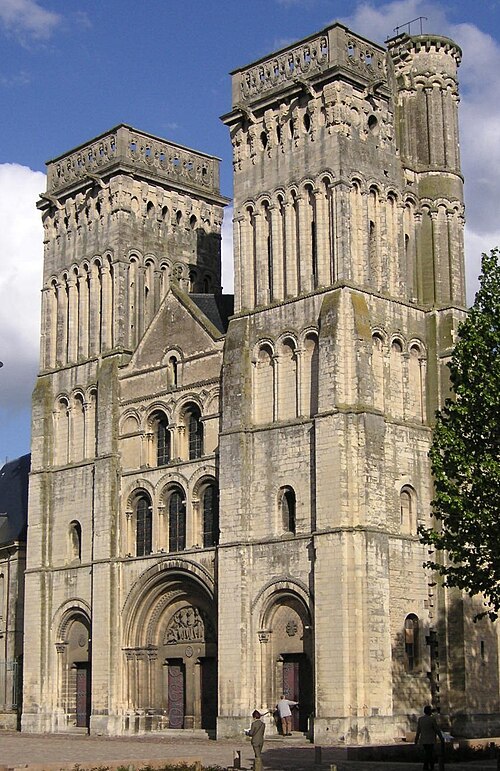
Nestled in Normandy, Caen stands out as the lively heartbeat of the Calvados department. Just a short drive from iconic landing beaches, glamorous resorts like Deauville and Cabourg, and scenic spots such as Norman Switzerland and Pays d'Auge, this city embodies the quintessential Norman vibe. With a vibrant student scene—thanks to its university, arts schools, and business programs—Caen pulses with youthful energy, blending history with modern culture in a way that makes it a must-visit for curious explorers seeking both heritage and contemporary life.

Rouen
France
Nestled along the River Seine in northwestern France, Rouen serves as the vibrant capital of Normandy. Just a 90-minute drive from Paris, this historic city boasts a population of approximately 116,000 residents, with its wider metropolitan area home to around 700,000 people. Renowned for its tumultuous history, Rouen is the site where Joan of Arc was famously tried and burned in 1431. Today, visitors are drawn to its remarkable cathedral, which famously inspired Monet to create over 30 paintings, and to its rich cultural heritage that includes the birthplace of novelist Gustave Flaubert.

Beauvais
France
Nestled in northern France, Beauvais is a charming town about 75 kilometers north of Paris, serving as the capital of the Oise department. With a population of around 55,500 residents, it's the most populous spot in the region and offers a quieter alternative to the hustle of the French capital. The town’s highlight? Its stunning 13th-century cathedral, renowned for its intricate stained glass windows and an impressive 18th-century astronomical clock that’s well worth a visit. For travelers looking for a practical travel tip, Beauvais’s small airport provides budget-friendly flights, making it a handy gateway to Paris without the big crowds at Charles de Gaulle or Orly.

Brighton
United Kingdom
Brighton, a historic seaside resort on England’s southeastern coast in East Sussex, has long been celebrated for its elegant Regency architecture and vibrant cultural scene. Located just 47 miles south of London, this charming city emerged from ancient settlements dating back to the Bronze Age, Roman, and Anglo-Saxon periods, with its earliest mention as 'Brighthelmstone' in the Domesday Book of 1086. Throughout the Middle Ages, Brighton grew as a bustling Old Town, though it faced periods of decline due to external threats and economic hardships. The town’s fortunes shifted in the Georgian era, when the Prince Regent—later King George IV—made it a fashionable retreat, commissioning the iconic Royal Pavilion. The arrival of the railway in 1841 transformed Brighton into a hub for Victorian tourists and day-trippers from London, with landmarks like the Grand Hotel and Palace Pier shaping its seaside charm. Today, Brighton is known for its diverse communities, lively arts and music scene, and its reputation as the UK's unofficial gay capital, boasting a large LGBT population and a reputation as the happiest and most trendsetting city in Britain.