
- typical visit
- 90 min
France
Nîmes
Nestled in the heart of southern France’s Gard department, Nîmes is a city that whispers tales of antiquity. With a population of approximately 137,000, this town boasts a stunning Roman temple, astonishingly preserved in pristine condition—arguably more intact than many of its counterparts in ancient Rome. Wander through the streets to discover other Roman relics and the mysterious Diana's Palace, each echoing the grandeur of a bygone era.
Get to know more
Things to do
## Things to do in Nîmes Nîmes is famous for its exceptionally well-preserved Roman heritage, earning it the nickname “French Rome.” Explore the monumental Arena, one of the city’s defining sights, admire the classical Maison Carrée and climb or walk towards the Tour Magne for views over the city. The Musée de la Romanité adds context through its archaeology collections and striking contemporary architecture, while the Roman enclosure, Porte Auguste and Castellum reveal more of ancient Nemausus. For a quieter change of pace, stroll through the Jardins de la Fontaine, one of Europe’s earliest public gardens. Its shaded paths, canals, pools and Mediterranean planting lead towards the Temple of Diana and the Tour Magne. Nîmes city centre is compact and rewarding to explore on foot, with lively alleyways, sunny terraces, historic churches such as Notre-Dame-et-Saint-Castor Cathedral, and cultural stops including Carré d’Art’s contemporary art collection. Look out too for street art in the Richelieu and Gambetta districts, or take the tourist train for an introduction to the city’s history. A weekend in Nîmes works well as a relaxed cultural city break: combine Roman monuments and museums with gardens, cafés, local food and an unhurried wander through the historic centre. Nîmes is also associated with “denim,” a name linked to the city’s former textile production, and its cuisine reflects the flavours of Provence, the Cévennes and nearby Camargue. For additional weekend activities, check the Nîmes tourism events calendar for concerts, festivals, exhibitions, theatre, sports and family events taking place during your visit.
Things to do
## Things to do in Nîmes Nîmes is famous for its exceptionally well-preserved Roman heritage, earning it the nickname “French Rome.” Explore the monumental Arena, one of the city’s defining sights, admire the classical Maison Carrée and climb or walk towards the Tour Magne for views over the city. The Musée de la Romanité adds context through its archaeology collections and striking contemporary architecture, while the Roman enclosure, Porte Auguste and Castellum reveal more of ancient Nemausus. For a quieter change of pace, stroll through the Jardins de la Fontaine, one of Europe’s earliest public gardens. Its shaded paths, canals, pools and Mediterranean planting lead towards the Temple of Diana and the Tour Magne. Nîmes city centre is compact and rewarding to explore on foot, with lively alleyways, sunny terraces, historic churches such as Notre-Dame-et-Saint-Castor Cathedral, and cultural stops including Carré d’Art’s contemporary art collection. Look out too for street art in the Richelieu and Gambetta districts, or take the tourist train for an introduction to the city’s history. A weekend in Nîmes works well as a relaxed cultural city break: combine Roman monuments and museums with gardens, cafés, local food and an unhurried wander through the historic centre. Nîmes is also associated with “denim,” a name linked to the city’s former textile production, and its cuisine reflects the flavours of Provence, the Cévennes and nearby Camargue. For additional weekend activities, check the Nîmes tourism events calendar for concerts, festivals, exhibitions, theatre, sports and family events taking place during your visit.


Frequently asked questions
Build a day-by-day plan in the app
Turns city guides into routed itineraries with maps and stories.
Nearby cities
Within travel distance of Nîmes.

Avignon
France
Step into the enchanting city of Avignon, the historic heart of Provence-Alpes-Côte d'Azur, gracefully perched along the Rhône River. Recognized as a UNESCO World Heritage Site, its medieval walls and architectural treasures whisper tales of its illustrious past. Once the seat of the Papacy during the 14th century, Avignon boasts a rich legacy as 'The City of the Popes,' with the majestic Palais des Papes standing as a testament to its ecclesiastical prominence. Today, this refined city continues to captivate visitors with its vibrant arts scene, including the renowned Festival d’Avignon, making it an essential destination for those seeking history, culture, and elegance.
Montpellier
France
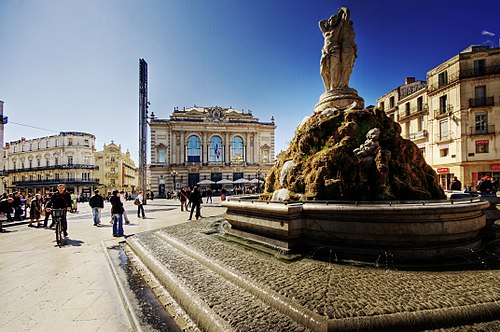
Montpellier embodies a captivating blend of history and modernity in the heart of southwestern France's Languedoc-Roussillon region. Since the 1990s, this vibrant city has experienced rapid growth, resulting in sleek, contemporary districts that stand in striking contrast to the labyrinth of medieval streets that define its historic core. Home to the University of Montpellier—the oldest medical school in Europe—this university infuses the city with youthful energy and academic prestige, attracting students from around the world. The city’s enviable Mediterranean climate offers dry, sun-drenched summers and mild winters, making it an attractive year-round destination. Though not directly on the coast, Montpellier's excellent public transport connects visitors to pristine beaches and charming villages nearby, perfect for day trips that showcase the region’s scenic beauty.

Aix-en-Provence
France
Nestled in the heart of southern France, Aix-en-Provence is a city where history and artistry intertwine amid sun-drenched streets. This charming Provençal town, just 30 kilometers north of Marseille, once served as the regional capital of Provence. Today, it pulses with life, enriched by its connection to the high-speed TGV train, which brings a steady stream of visitors from the north. The city’s vibrant atmosphere is amplified by a lively shopping scene that surprises visitors with its variety and quality, considering its modest size. Anchored by three universities and several French-language institutions for international students, Aix buzzes with youthful energy and intellectual curiosity. Its timeless streets and storied past reflect a place where culture, history, and modern vitality coexist in perfect harmony.

Marseille
France
Perched along France’s southern coast, Marseille stands as the nation’s second-largest city, with a vibrant population of approximately 1.6 million residents in its urban area as of 2019. A historic hub and a bustling Mediterranean port, it serves as the economic heartbeat of the Provence-Alpes-Côte d'Azur region. Recognized as the European Capital of Culture in 2013, Marseille celebrated a year of extensive cultural events, new infrastructure projects, and urban renewal efforts that highlighted its rich heritage and modern vitality.

Narbonne
France
Nestled in the heart of the Narbonnaise en Méditerranée Regional Natural Park, Narbonne emerges as a refined coastal gem in Aude, southern France. This historic city, once a thriving port, offers a captivating blend of natural beauty and cultural riches—from the rugged Clape massif to the tranquil Sainte-Marie de Fontfroide Abbey and the scenic Bages-Sigean pond. Just 15 kilometers from the shimmering Mediterranean, Narbonne invites discerning travelers to explore its rich past and stunning landscapes, all within the charming Occitania region.

Toulon
France
Nestled between the glamorous coasts of Marseille and Nice, Toulon emerges as a vibrant maritime hub on France’s southeastern edge. This lively city, the 15th largest in France, radiates charm with its expansive marina that welcomes a parade of cruise ships, reflecting its deep-rooted connection to the sea. In the heart of the French Riviera and the Provence-Alpes-Côte d'Azur region, Toulon blends historic charm with modern industry, from naval craftsmanship to wine making. With a population of nearly 180,000 residents, it’s a bustling center of commerce and culture, home to significant naval bases including the French aircraft carrier Charles de Gaulle. The city’s rich history includes the famous 1793 siege during the Federalist revolts, adding layers of stories to its maritime legacy.