

- typical visit
- 15 min

France
Perpignan
Perpignan, known as Perpinyà in Catalan, stands as the vibrant capital of France’s Pyrénées-Orientales department, nestled just 15 kilometers from the Mediterranean coast. Home to approximately 120,000 residents, this city is distinguished by its two flowing rivers—the Têt to the north and the Basse traversing its historic center. Once the continental hub of the Kingdom of Majorca, Perpignan’s rich history is vividly reflected in its architecture, which showcases centuries of economic prowess and educational prominence. Its charming streets and picturesque neighborhoods between the Têt and Basse rivers reveal a city proud of its Catalan roots and historical significance.
Image: Wikimedia Commons
Get to know more
Things to do
## What to do in Perpignan Perpignan is a lively gateway to French Catalonia, known for its Catalan heritage, Mediterranean atmosphere and distinctive red-brick landmarks. Begin in the historic centre, where you can walk around the Saint-Jean district, visit the Gothic Cathedral of Saint John the Baptist, admire the elegant Place de la Loge and browse local produce at Les Halles Vauban. The Castillet, the city’s former fortified gateway and best-known emblem, houses the Casa Pairal museum, which explores local history, folk art and Catalan traditions; climb to the top for wide views across the Roussillon plain and surrounding mountains. Another essential stop is the Palace of the Kings of Majorca, a 13th-century royal complex on Puig del Rei. Its courtyards, chapel and terraces reveal Perpignan’s importance in the medieval Kingdom of Majorca and its role in Mediterranean Catalan history. For more art and culture, visit the Musée Hyacinthe Rigaud, set among the historic town houses near the cathedral, or check the programme at the Théâtre municipal, La Casa Musicale and Cinéma Le Castillet. Weekend activities in Perpignan can combine a relaxed centre walk with Catalan food, museum visits and an event. Depending on the season, look for rugby at Aimé Giral or Gilbert Brutus, live music and jazz, or major cultural occasions such as the Sanch procession, the Sant Joan midsummer celebrations and the annual Visa pour l’Image international photojournalism festival. Families and active travellers can use the city’s sports and aquatic facilities, while the parks and palm-lined streets provide an easy change of pace. With its royal history, Catalan traditions, food markets, festivals and arts scene, Perpignan offers plenty to do beyond a quick stop on the way to the coast.
Things to do
## What to do in Perpignan Perpignan is a lively gateway to French Catalonia, known for its Catalan heritage, Mediterranean atmosphere and distinctive red-brick landmarks. Begin in the historic centre, where you can walk around the Saint-Jean district, visit the Gothic Cathedral of Saint John the Baptist, admire the elegant Place de la Loge and browse local produce at Les Halles Vauban. The Castillet, the city’s former fortified gateway and best-known emblem, houses the Casa Pairal museum, which explores local history, folk art and Catalan traditions; climb to the top for wide views across the Roussillon plain and surrounding mountains. Another essential stop is the Palace of the Kings of Majorca, a 13th-century royal complex on Puig del Rei. Its courtyards, chapel and terraces reveal Perpignan’s importance in the medieval Kingdom of Majorca and its role in Mediterranean Catalan history. For more art and culture, visit the Musée Hyacinthe Rigaud, set among the historic town houses near the cathedral, or check the programme at the Théâtre municipal, La Casa Musicale and Cinéma Le Castillet. Weekend activities in Perpignan can combine a relaxed centre walk with Catalan food, museum visits and an event. Depending on the season, look for rugby at Aimé Giral or Gilbert Brutus, live music and jazz, or major cultural occasions such as the Sanch procession, the Sant Joan midsummer celebrations and the annual Visa pour l’Image international photojournalism festival. Families and active travellers can use the city’s sports and aquatic facilities, while the parks and palm-lined streets provide an easy change of pace. With its royal history, Catalan traditions, food markets, festivals and arts scene, Perpignan offers plenty to do beyond a quick stop on the way to the coast.


Frequently asked questions
Build a day-by-day plan in the app
Turns city guides into routed itineraries with maps and stories.
Nearby cities
Within travel distance of Perpignan.

Narbonne
France
Nestled in the heart of the Narbonnaise en Méditerranée Regional Natural Park, Narbonne emerges as a refined coastal gem in Aude, southern France. This historic city, once a thriving port, offers a captivating blend of natural beauty and cultural riches—from the rugged Clape massif to the tranquil Sainte-Marie de Fontfroide Abbey and the scenic Bages-Sigean pond. Just 15 kilometers from the shimmering Mediterranean, Narbonne invites discerning travelers to explore its rich past and stunning landscapes, all within the charming Occitania region.

Girona
Spain
Nestled in northeastern Spain, Girona stands as the heartbeat of Catalonia's Province of Girona. With a population of around 104,320 residents in 2023, plus roughly 50,000 in nearby Salt, this city is a crossroads of history and culture. It’s a place where ancient trade routes and pilgrimage pathways from France weave through, still bustling with travelers seeking spiritual and scenic adventures alike. Many arrive mistaking Girona for Barcelona, thanks to Ryanair’s label of 'Barcelona-Girona,' just under 100 kilometers away. While the beaches of Costa Brava beckon, don’t overlook Girona’s charm—its medieval streets, formidable cathedral, and city walls perched on the hillside tell stories of a rich past worth exploring.
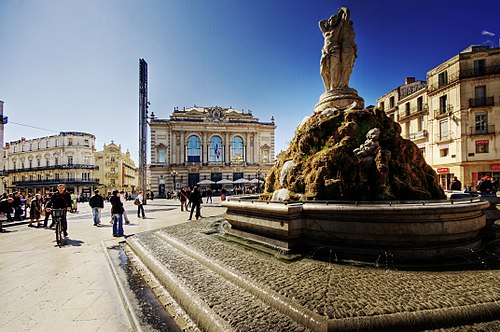
Montpellier
France
Montpellier embodies a captivating blend of history and modernity in the heart of southwestern France's Languedoc-Roussillon region. Since the 1990s, this vibrant city has experienced rapid growth, resulting in sleek, contemporary districts that stand in striking contrast to the labyrinth of medieval streets that define its historic core. Home to the University of Montpellier—the oldest medical school in Europe—this university infuses the city with youthful energy and academic prestige, attracting students from around the world. The city’s enviable Mediterranean climate offers dry, sun-drenched summers and mild winters, making it an attractive year-round destination. Though not directly on the coast, Montpellier's excellent public transport connects visitors to pristine beaches and charming villages nearby, perfect for day trips that showcase the region’s scenic beauty.