
- typical visit
- 60 min

Germany
Chemnitz
Nestled in southwestern Saxony, Chemnitz is the third-largest city in the region, after Dresden and Leipzig. This city’s roots trace back to a monastery, earning city status as early as 1170. Situated at the foot of the Erzgebirge (Ore Mountains), Chemnitz blossomed in the 16th century into a thriving hub for trade and later became a key center for industry. Its growth was fueled by Saxon coal mining in the 18th century, transforming it into a powerhouse of German machine and textile manufacturing—earning it the nickname 'little Manchester.' Large districts like Kaßberg and Sonnenberg sprouted up during this industrial boom. Sadly, World War II left much of Chemnitz in ruins, nearly obliterating the city by 1945. Between 1953 and 1990, it was renamed Karl-Marx-Stadt—despite Marx never having visited or been directly linked to it. Post-war reconstruction saw significant development, much of which still stands today, including a notable bronze head gifted to the people in 1971.
Image: Wikimedia Commons
Get to know more
Things to do
## Things to do in Chemnitz Wondering what to do in Chemnitz? Start with the city’s distinctive blend of art, industrial heritage and modern urban culture. Chemnitz is famous for its engineering, mechanical manufacturing and textile history, so the Chemnitz Industrial Museum is an essential stop, with machinery and exhibitions that bring Saxony’s industrial past to life. You can continue the theme at the Museum of Saxon Vehicles, the Chemnitz Tram Museum or Schauplatz Eisenbahn, a major railway exhibition. For a different perspective on the city’s history, visit the State Museum of Archaeology or the Henry van de Velde Museum at Villa Esche, an architectural and design highlight. Art lovers can explore the Kunstsammlungen am Theaterplatz, Museum Gunzenhauser and Neue Sächsische Galerie. Chemnitz’s best-known landmark is the monumental Karl Marx Monument—locally nicknamed the “Nischl”—which recalls the period when the city was known as Karl-Marx-Stadt. The city’s cultural identity was further highlighted when Chemnitz became European Capital of Culture 2025. For what to do in Chemnitz city centre, make a walk around Theatre Square, the Old and New Town Halls, the Red Tower and the Karl Marx Monument. Add time for cafés, shops and galleries, then look beyond the central streets to Kaßberg’s historic architecture or Rabenstein’s castle, rock domes and reservoir lake. Parks and green spaces provide room for walking, cycling and other outdoor activities, while local sporting events and cultural performances offer an easy way to experience the city beyond its museums. Weekend activities in Chemnitz work well as a flexible mix of museum visits, an industrial-culture excursion, a central city walk and time outdoors. Check the local programme for concerts, theatre, exhibitions and seasonal events, or simply combine the art collections with a meal and a stroll through one of the city’s green areas. Chemnitz is compact enough for a culture-focused weekend while still offering nearby districts and attractions to explore at a slower pace.
Things to do
## Things to do in Chemnitz Wondering what to do in Chemnitz? Start with the city’s distinctive blend of art, industrial heritage and modern urban culture. Chemnitz is famous for its engineering, mechanical manufacturing and textile history, so the Chemnitz Industrial Museum is an essential stop, with machinery and exhibitions that bring Saxony’s industrial past to life. You can continue the theme at the Museum of Saxon Vehicles, the Chemnitz Tram Museum or Schauplatz Eisenbahn, a major railway exhibition. For a different perspective on the city’s history, visit the State Museum of Archaeology or the Henry van de Velde Museum at Villa Esche, an architectural and design highlight. Art lovers can explore the Kunstsammlungen am Theaterplatz, Museum Gunzenhauser and Neue Sächsische Galerie. Chemnitz’s best-known landmark is the monumental Karl Marx Monument—locally nicknamed the “Nischl”—which recalls the period when the city was known as Karl-Marx-Stadt. The city’s cultural identity was further highlighted when Chemnitz became European Capital of Culture 2025. For what to do in Chemnitz city centre, make a walk around Theatre Square, the Old and New Town Halls, the Red Tower and the Karl Marx Monument. Add time for cafés, shops and galleries, then look beyond the central streets to Kaßberg’s historic architecture or Rabenstein’s castle, rock domes and reservoir lake. Parks and green spaces provide room for walking, cycling and other outdoor activities, while local sporting events and cultural performances offer an easy way to experience the city beyond its museums. Weekend activities in Chemnitz work well as a flexible mix of museum visits, an industrial-culture excursion, a central city walk and time outdoors. Check the local programme for concerts, theatre, exhibitions and seasonal events, or simply combine the art collections with a meal and a stroll through one of the city’s green areas. Chemnitz is compact enough for a culture-focused weekend while still offering nearby districts and attractions to explore at a slower pace.


Frequently asked questions
Build a day-by-day plan in the app
Turns city guides into routed itineraries with maps and stories.
Nearby cities
Within travel distance of Chemnitz.
Dresden
Germany
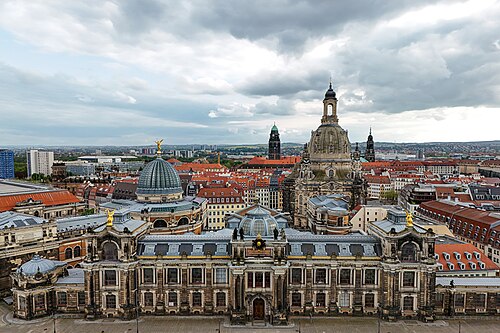
Step into Dresden, the vibrant heart of Saxony and a city that effortlessly blends its rich history with contemporary culture. Often called Elbflorenz, or 'Florence on the Elbe,' this city’s stunning architecture and thriving arts scene echo its glorious past, especially during the 18th-century Golden Age under August the Strong. After enduring the scars of WWII bombings and years of neglect, Dresden has reborn through passionate restoration, most famously with the Frauenkirche’s triumphant return in 2005—just in time for the city’s 800th anniversary. Today, Dresden is a lively hub of creativity and academia, drawing millions of visitors annually who come to explore its artistic treasures, picturesque streets, and dynamic urban vibe.

Leipzig
Germany
Nestled in the heart of Saxony, Leipzig pulses as Germany’s cultural and economic heartbeat. With around 630,000 residents calling it home, this vibrant city blends historic charm with modern energy. Once a vital trade hub since the days of the Holy Roman Empire—thanks to ancient routes like the Via Regia and Via Imperii—Leipzig's legacy of commerce endures through its centuries-old trade fairs and publishing history. Today, it’s a hub for music lovers, home to legendary orchestras like the Gewandhaus and a city where the echoes of composers like Bach and Mendelssohn still resonate. Beyond its lively arts scene, Leipzig’s modern skyline features Europe’s largest railway station and a dynamic public transit system. Surrounded by the scenic Neuseenland lake district, Leipzig invites visitors to explore its rich history, innovative spirit, and diverse cultural tapestry.

Jena
Germany
Hidden within the heart of Thuringia, Jena emerges as a quirky hub where science and history collide. With around 110,000 residents, this city is a magnet for curious minds—home to a university founded way back in 1558 and a parade of research institutes that seem to hold the secrets of innovation. Once a modest town, Jena blossomed in the 19th century thanks to optical giants like Zeiss and Schott, shaping its reputation as a world center for precision optics. Its skyline, dotted with high-rises like the JenTower, hints at a city that’s both steeped in tradition and boldly looking toward the future. From the romantic echoes of Friedrich Schiller and Novalis to the modern buzz of tech industries, Jena is a captivating blend of the old and the new, nestled in a lush, rocky landscape famous for wild orchids and scenic forests—nature’s secret garden just a walk away.

Halle (Saale)
Germany
Halle (Saale), Germany’s second-largest city in Saxony-Anhalt, exudes a refined charm nestled along the banks of the Saale River. With a population approaching 225,000, it’s a city rich in history and culture, often distinguished as Halle an der Saale to set it apart from other places with the same name. Once a thriving industrial hub—famous for salt mining, chemical industries, and sweet confections—Halle also holds the distinction of being the birthplace of the illustrious Baroque composer Georg Friedrich Handel, whose legacy continues to resonate in its streets. This elegant city combines a storied past with contemporary vibrancy, inviting visitors to explore its sophisticated allure.

Weimar
Germany
Nestled in the heart of Thuringia, Weimar is a city bursting with cultural heritage and historical significance. Famous as the hometown of Goethe and Schiller, this charming town is a magnet for history buffs, literature lovers, and art enthusiasts alike. With around 65,000 residents, it’s a place where the echoes of Germany’s Enlightenment and classicism still resonate through its elegant streets and landmarks. Don't miss the UNESCO-listed sites that celebrate Weimar's rich intellectual and artistic legacy—perfect for soaking up the city’s unique atmosphere.
Pilsen
Czech Republic
Nestled in the heart of Bohemia, Pilsen (or Plzeň) stands as a vibrant hub in the Czech Republic’s Central Europe. Famous worldwide as the birthplace of the iconic Pilsener (or pilsner) beer, this city proudly bears its name in every frothy sip. As the fourth largest urban center in the country and the largest city in West Bohemia, Pilsen offers a perfect blend of cultural richness and historical charm, making it an ideal starting point for exploring this captivating region.

Erfurt
Germany
Step into Erfurt, the vibrant heart of Thuringia, where history and modern life intertwine. With a population hovering around 215,000, this city sits at a key crossroads in central Germany, known for its remarkably preserved medieval old town. Walk across the Krämerbrücke, Europe’s longest inhabited bridge, lined with charming houses, or explore the UNESCO-listed Jewish monuments that whisper stories from centuries past. From its strategic position in the Thuringian Basin to its lively cultural scene, Erfurt invites you to connect with its rich heritage and lively present.

Prague
Czech Republic
Prague, known locally as Praha, is the vibrant heart of the Czech Republic and its largest city. As you wander through its historic streets, you'll be surrounded by centuries-old buildings and winding alleys that echo its past as the capital of Bohemia. Sitting along the picturesque Vltava River, the city’s skyline is dominated by the iconic 9th-century castle and shimmering golden spires. Prague’s charm isn’t just in its history; it’s also in its quirky, lively atmosphere—from the Czech Cubism Museum to the colorful Jubilee Synagogue. Whether you’re exploring the castle, strolling along the river, or soaking up the bohemian vibe in the old town, Prague offers a unique blend of history and personality that’s impossible to ignore.