
- typical visit
- 120 min
Germany
Düsseldorf
Discover Düsseldorf, a vibrant city nestled along the banks of the River Rhine in western Germany. As the capital of North Rhine-Westphalia, it stands out as a powerhouse of commerce and creativity within the bustling Rhine-Ruhr metropolitan area, home to around 660,000 residents by 2025. This city isn’t just about business—it's a hub for fashion, media, and professional services, earning its reputation as Germany’s style capital. You’ll find a significant Japanese community here, with many multinational companies calling Düsseldorf home. When night falls, the city transforms—its lively nightlife, colorful carnival celebrations, and world-class events like fashion fairs and boat shows make it a magnet for visitors. Come summer, over four million people flock to the 10-day fun-filled Kirmes fair, making it a truly unforgettable experience.
Get to know more
Things to do
Düsseldorf is a city of contrasts: spend time in the historic city centre, stroll beside the Rhine, browse the elegant Königsallee and admire the contemporary architecture of MedienHafen. The Altstadt is the natural place to begin, with atmospheric squares, traditional breweries and the chance to try Altbier alongside local food. A walk along the Rhine Promenade connects the old town with riverside viewpoints, while Little Tokyo adds excellent Japanese restaurants, bakeries and shops nearby. What Düsseldorf is famous for extends beyond shopping and beer. The city has a strong reputation for art and culture, from major collections at K20, K21 and Kunstpalast to smaller galleries, the Film Museum and the city’s music and theatre venues. Explore the city’s history at the Stadtmuseum, visit Schloss Benrath and its park, or look for seasonal cultural programmes such as Nacht der Museen. Football supporters can experience Fortuna Düsseldorf at Merkur Spiel-Arena, and the city’s carnival traditions, summer funfair on the Rhine and other large public celebrations bring a particularly lively local character. For a weekend in Düsseldorf, combine an unhurried Altstadt and Rhine walk with time for museums, shopping on and around Königsallee, and a meal or drink in the brewery quarter or Little Tokyo. The compact city centre makes it easy to mix architecture, art, food and nightlife without spending the whole visit in transit. Check official venue and event calendars before travelling, since exhibitions, matches, carnival events, concerts and funfairs are seasonal and opening arrangements can change.
Things to do
Düsseldorf is a city of contrasts: spend time in the historic city centre, stroll beside the Rhine, browse the elegant Königsallee and admire the contemporary architecture of MedienHafen. The Altstadt is the natural place to begin, with atmospheric squares, traditional breweries and the chance to try Altbier alongside local food. A walk along the Rhine Promenade connects the old town with riverside viewpoints, while Little Tokyo adds excellent Japanese restaurants, bakeries and shops nearby. What Düsseldorf is famous for extends beyond shopping and beer. The city has a strong reputation for art and culture, from major collections at K20, K21 and Kunstpalast to smaller galleries, the Film Museum and the city’s music and theatre venues. Explore the city’s history at the Stadtmuseum, visit Schloss Benrath and its park, or look for seasonal cultural programmes such as Nacht der Museen. Football supporters can experience Fortuna Düsseldorf at Merkur Spiel-Arena, and the city’s carnival traditions, summer funfair on the Rhine and other large public celebrations bring a particularly lively local character. For a weekend in Düsseldorf, combine an unhurried Altstadt and Rhine walk with time for museums, shopping on and around Königsallee, and a meal or drink in the brewery quarter or Little Tokyo. The compact city centre makes it easy to mix architecture, art, food and nightlife without spending the whole visit in transit. Check official venue and event calendars before travelling, since exhibitions, matches, carnival events, concerts and funfairs are seasonal and opening arrangements can change.


Frequently asked questions
Build a day-by-day plan in the app
Turns city guides into routed itineraries with maps and stories.
Nearby cities
Within travel distance of Düsseldorf.
Duisburg
Germany
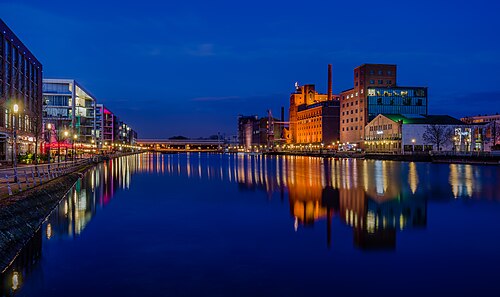
Nestled in the heart of North Rhine-Westphalia, Duisburg is a vibrant German city with a rich industrial past and a lively present. With nearly half a million residents, it stands out as a key player in the Ruhr region. Its claim to fame? The world's largest inland port, which makes the city a powerhouse of logistics and trade. Thanks to its strategic location near Düsseldorf Airport, Duisburg is a crucial hub for commerce, steel manufacturing, and international freight. Whether you’re exploring its historic roots, which trace back to Frankish times, or marveling at its modern industrial landscape, Duisburg offers a fascinating blend of history, industry, and innovation.
Mönchengladbach
Germany
Nestled in North Rhine-Westphalia, Germany, Mönchengladbach is a lively city with a population of around 262,000 residents as of 2017. This city blends rich history with modern charm, inviting visitors to explore its vibrant streets and cultural scenes.

Wuppertal
Germany
Wuppertal, nestled in North Rhine-Westphalia in Germany's northwest, is a city with a rich industrial heritage and a vibrant cultural scene. Famous for housing the world's oldest monorail system, the Wuppertal Suspension Railway, it’s a must-see engineering marvel. This city also holds historical significance as the birthplace of Friedrich Engels, the co-author of the Communist Manifesto. With around 355,000 residents, Wuppertal is a lively blend of steep slopes, lush parks, and dense green spaces, earning it the title of Germany's greenest city. Originally formed in 1929 through the merger of Elberfeld, Barmen, Ronsdorf, Cronenberg, and Vohwinkel, it officially adopted its current name in 1930. Situated along the River Wupper—an important tributary of the Rhine—Wuppertal lies between the bustling Ruhr area, Düsseldorf, and Cologne. Over time, it has expanded to merge with neighboring towns like Solingen, Remscheid, and Hagen. This city’s roots run deep in Germany’s industrial revolution, with a history tied to coal, textiles, metallurgy, and chemicals. Notably, Bayer patented aspirin here in 1897, and the famous Vorwerk Kobold vacuum cleaner also came from Wuppertal. Today, it continues to thrive as a hub for industries such as electronics, automotive, and printing.

Essen
Germany
Essen, a vibrant hub in North Rhine-Westphalia, embodies a fascinating blend of industrial heritage and modern culture. Once a powerhouse of coal and steel, it transformed into a city celebrated for its innovative spirit, earning the title of European Capital of Culture in 2010 and the European Green Capital in 2017. The iconic Zeche Zollverein, a UNESCO World Heritage Site, stands as a testament to its industrial past, now hosting museums and cultural events that invite visitors to explore its storied history. With Bauhaus architecture dotting its landscape, Essen offers a compelling journey through Germany’s evolving urban identity, where tradition and progress coexist in a dynamic mosaic.

Köln
Germany
Nestled along the banks of the Rhine, Cologne emerges as a city rich with history, vitality, and cultural vibrancy. With a population nearing 1.1 million residents in 2025, it stands as Germany’s fourth largest city, pulsating at the heart of North Rhine-Westphalia. This bustling metropolis is a mosaic of the old and new, where ancient Roman roots intertwine with modern flair. Its streets, lined with Romanesque and Gothic marvels, tell stories of centuries past, culminating in the awe-inspiring Cologne Cathedral—once the tallest structure in the world between 1880 and 1890 and now a towering emblem of faith and artistry. Beyond its historical grandeur, Cologne thrives as a hub for media, commerce, and international trade fairs, drawing a diverse tapestry of visitors and residents alike. During the spirited Carnival, the city transforms into a whirlwind of color, music, and celebration, cementing its reputation as one of Germany’s most dynamic destinations.

Gelsenkirchen
Germany
Hidden beneath its industrial past, Gelsenkirchen emerges as a city of fascinating juxtapositions. Once a hub of coal mining and oil refining, it has transformed its once gritty refineries into lively event spaces and ice rinks. Old railway lines now whisper stories along scenic bike paths, while relics of machinery have been reborn as striking works of art. The city's history is written in its flames and factories, but today, it beckons curious explorers to uncover its offbeat charm.

Bochum
Germany
Nestled in the heart of the Ruhr region in North Rhine-Westphalia, Bochum is a lively German city with a fascinating industrial past. Once a mining hub, today it’s renowned for its vibrant university scene, boasting one of the largest campuses in the country. With around 370,000 residents, Bochum offers a friendly, approachable atmosphere where history and modern life blend seamlessly. Whether you're exploring its cultural sights or soaking up the university vibe, Bochum makes for an engaging and authentic German city experience.

Dortmund
Germany
Dortmund, with a population hovering around 600,000, is a lively hub in North Rhine-Westphalia, Germany. Known as the heart of the Ruhr area, it’s famous for its buzzing beer scene, passionate football culture, vibrant events, and great shopping spots. This city acts as a key administrative, commercial, and cultural center in the region, making it a must-visit for those interested in authentic German city life.