


- typical visit
- 20 min

Germany
Karlsruhe
Nestled along the banks of the Rhine in Baden-Württemberg, Karlsruhe is a sophisticated German city that marries legal prestige with a vibrant intellectual spirit. While it remains somewhat under the radar for international tourists, this city offers a tranquil environment ideal for work and study. Its proximity to the Black Forest and the French border adds a touch of continental elegance, making Karlsruhe a quietly influential hub of science, technology, and culture. With a population of around 300,000, it stands out as the largest city within a 60-kilometer radius, exemplifying understated charm and refined practicality.
Image: Wikimedia Commons
Get to know more
Things to do
## Things to do in Karlsruhe Karlsruhe is famous for its distinctive fan-shaped plan: streets radiate from Karlsruhe Palace, creating an easy-to-explore centre where many sights are within walking distance. Begin with the palace, its gardens and the nearby Botanical Garden, then continue to the Market Square, where the pyramid, town hall and city church form some of the city's best-known landmarks. Kaiserstraße and its radial side streets add shopping, cafés and restaurants to a central stroll; check current visitor information before planning a museum visit, as exhibitions and opening arrangements can change. For culture, spend an afternoon at the ZKM | Center for Art and Media, a major venue for contemporary and media art with changing exhibitions and interactive displays. The Natural History Museum, art museums and Karlsruhe's theatres offer further options, while the Badisches Staatstheater presents opera, theatre and dance. In the evening, look for live music and performances at venues such as Tollhaus and the smaller theatres around the centre, or settle into the restaurants and bars around Ludwigsplatz. There is plenty to do beyond the city centre too. The Zoological City Garden combines landscaped gardens, animal enclosures and seasonal Gondoletta boat rides, while the Günther-Klotz-Anlage provides lawns, lakes, play areas and space for walking, cycling or a picnic. Karlsruhe's cycling network makes it practical to explore the city and reach green spaces; longer rides can follow the Alb or continue towards the Rhine. For a change of scene, visit Durlach, Karlsruhe's oldest district, to wander its market square, half-timbered lanes and surviving sections of the old wall, then climb or take the funicular towards the Turmberg for views across the city and Rhine plain. A weekend in Karlsruhe works well because you can combine a relaxed city-centre walk, museums and an evening performance on one day with the zoo, Durlach, Turmberg or a cycle into the surrounding countryside on the next. Families and outdoor visitors can also consider the nearby lakes and Oberwald animal park. Throughout the year, check Karlsruhe's events calendar for seasonal highlights such as Schlosslichtspiele, Das Fest, KAMUNA museum night, concerts, football at BBBank Wildpark and other festivals before you travel.
Things to do
## Things to do in Karlsruhe Karlsruhe is famous for its distinctive fan-shaped plan: streets radiate from Karlsruhe Palace, creating an easy-to-explore centre where many sights are within walking distance. Begin with the palace, its gardens and the nearby Botanical Garden, then continue to the Market Square, where the pyramid, town hall and city church form some of the city's best-known landmarks. Kaiserstraße and its radial side streets add shopping, cafés and restaurants to a central stroll; check current visitor information before planning a museum visit, as exhibitions and opening arrangements can change. For culture, spend an afternoon at the ZKM | Center for Art and Media, a major venue for contemporary and media art with changing exhibitions and interactive displays. The Natural History Museum, art museums and Karlsruhe's theatres offer further options, while the Badisches Staatstheater presents opera, theatre and dance. In the evening, look for live music and performances at venues such as Tollhaus and the smaller theatres around the centre, or settle into the restaurants and bars around Ludwigsplatz. There is plenty to do beyond the city centre too. The Zoological City Garden combines landscaped gardens, animal enclosures and seasonal Gondoletta boat rides, while the Günther-Klotz-Anlage provides lawns, lakes, play areas and space for walking, cycling or a picnic. Karlsruhe's cycling network makes it practical to explore the city and reach green spaces; longer rides can follow the Alb or continue towards the Rhine. For a change of scene, visit Durlach, Karlsruhe's oldest district, to wander its market square, half-timbered lanes and surviving sections of the old wall, then climb or take the funicular towards the Turmberg for views across the city and Rhine plain. A weekend in Karlsruhe works well because you can combine a relaxed city-centre walk, museums and an evening performance on one day with the zoo, Durlach, Turmberg or a cycle into the surrounding countryside on the next. Families and outdoor visitors can also consider the nearby lakes and Oberwald animal park. Throughout the year, check Karlsruhe's events calendar for seasonal highlights such as Schlosslichtspiele, Das Fest, KAMUNA museum night, concerts, football at BBBank Wildpark and other festivals before you travel.

Frequently asked questions
Build a day-by-day plan in the app
Turns city guides into routed itineraries with maps and stories.
Nearby cities
Within travel distance of Karlsruhe.

Baden-Baden
Germany
Tucked at the edge of the Black Forest in southwestern Germany, Baden-Baden is famed as a luxurious spa town built around natural thermal springs. While its reputation as a playground for the wealthy might precede it, this charming town offers a more accessible side—nestled in a lush, wooded valley, you can soak up its historic charm without breaking the bank. Recognized as one of Europe’s 11 Great Spa Towns and a UNESCO World Heritage site, Baden-Baden invites you to indulge in its timeless elegance and natural beauty.

Heidelberg
Germany
Nestled along the Neckar River, Heidelberg shines as one of Germany’s most enchanting destinations. Its cobbled streets and scenic timber-framed houses whisper stories of centuries past, all crowned by the iconic ruins of Heidelberg Castle. With Germany’s oldest university, founded way back in 1386, this city oozes academic charm and romantic allure. Whether wandering through its historic old town or soaking in panoramic views from the Königstuhl, Heidelberg invites you to uncover its timeless magic.

Mannheim
Germany
Nestled in the northwest corner of Baden-Württemberg, Mannheim stands out as a vibrant hub where the Rhine and Neckar rivers converge. As Germany’s second-largest city in the state and a magnet for diverse cultures, Mannheim pulses with a lively mix of nationalities and modern urban energy. With around 310,000 residents as of 2020, this city is a dynamic blend of tradition and contemporary life, offering visitors a colorful tapestry of sights, sounds, and flavors.

Stuttgart
Germany
Explore Stuttgart, a city where innovation meets nature. Known globally for its automotive giants like Mercedes-Benz, Porsche, and Bosch, this city unfolds uniquely across rolling hills, lush forests, and scenic parks. Unlike typical industrial hubs, Stuttgart’s sprawling landscape is dotted with vineyards and mineral springs, blending modern industry with a vibrant, green cityscape. Situated on the fertile Neckar river in the Stuttgart Cauldron, it’s a hub of culture, technology, and history, offering a fresh perspective on urban living in Germany.

Strasbourg
France
Nestled in the Alsace region of northeastern France, Strasbourg stands as the capital of the Grand-Est area and a vibrant hub of European activity. With its picturesque historic center—the Grande Île—standing as the first city district entirely designated as a UNESCO World Heritage Site, the city offers a captivating blend of history and modern diplomacy. As the seat of the European Parliament and other key European institutions, Strasbourg has earned recognition as one of the continent’s de facto capitals, embodying a unique Franco-German cultural nexus. Its population exceeds 300,000 within the city proper, while the greater metropolitan area boasts over a million residents, making it a significant center of commerce, transportation, and international diplomacy. The city's historic core, complemented by the UNESCO-listed Neustadt district, reflects a rich history of cultural exchange and resilience. Strasbourg’s economy thrives on manufacturing, engineering, and its strategic port on the Rhine, which ranks as France’s second-largest river port after Paris and the second largest on the Rhine after Duisburg.
Tübingen
Germany
Tübingen is a charming university town nestled near the heart of Baden-Württemberg, just about 30 km southwest of Stuttgart. Its streets are lined with medieval buildings, and the lively student scene adds a vibrant flavor to the town. Known for its quirky festivals that spill through the streets year-round, and with around 40% of residents supporting the Green Party, Tübingen offers a truly unique atmosphere. It's a place where history, youthful energy, and community spirit come together in an inviting package.
Darmstadt
Germany
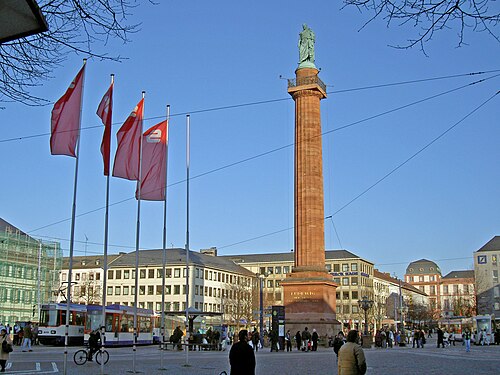
Nestled south of Frankfurt in the heart of Hesse, Darmstadt is a vibrant city with around 160,000 residents as of 2019. Known for its stunning Jugendstil (art nouveau) architecture, many of these beautifully crafted buildings escaped the destruction during the heavy bombings of September 1944. Walk through this city and marvel at its elegant, historic charm and resilient spirit.
Saarbrücken
Germany
Saarbrücken boasts a storied history that spans over a millennium, with roots tracing back to the ancient Roman Empire. Its architectural landscape reflects this rich heritage, set dramatically along the winding bends of the Saar River. As the capital of Germany’s Saarland, a federal state often overlooked by travelers, this city offers a refined gateway into a lesser-known corner of the country. With a modest population of around 180,000 residents as of 2018, Saarbrücken invites those seeking a blend of historic elegance and understated charm, making it a discreet yet captivating destination.