


- typical visit
- 90 min
Germany
Art & Culture in Munich
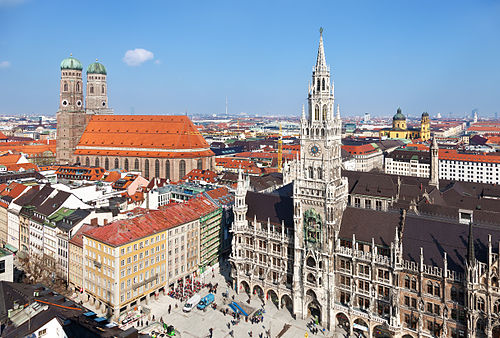
Munich, known as München in German and Minga in Bavarian, serves as the vibrant capital of Bavaria in southern Germany. As of 2024, nearly 1.6 million residents call Munich home, making it the third most populous city in the country, with a metropolitan area that includes suburbs totaling around 3 million people. When you expand to the broader Munich region, which includes cities like Augsburg and Ingolstadt, the population grows to approximately 6.2 million. Sitting on the banks of the Isar River, Munich is celebrated for its stunning architecture, rich cultural scene, and historical significance. The city’s resilience is evident in how it rebounded from heavy destruction during WWII, rebuilding landmarks like the Frauenkirche and the City Hall. Visitors flock here for its lively festivals, sport events, world-class museums such as the Deutsches Museum and BMW Museum, and its status as a hub for engineering, science, and innovation. Munich’s thriving economy, high quality of life, and diverse industries—from automotive to biotech—make it one of Germany’s most prosperous and fastest-growing cities.
Image: Wikimedia Commons
- typical visit
- 90 min
- typical visit
- 90 min
- typical visit
- 75 min
- typical visit
- 60 min
- typical visit
- 60 min
- typical visit
- 75 min
- typical visit
- 150 min
- typical visit
- 75 min
- typical visit
- 75 min
- typical visit
- 90 min
- typical visit
- 75 min
- typical visit
- 60 min
- typical visit
- 60 min
- typical visit
- 60 min
- typical visit
- 75 min
- typical visit
- 75 min
- typical visit
- 45 min
- typical visit
- 60 min
- typical visit
- 45 min
- typical visit
- 45 min
- typical visit
- 75 min
- typical visit
- 75 min
- typical visit
- 45 min
Build a day-by-day plan in the app
Turns city guides into routed itineraries with maps and stories.
Nearby cities
Within travel distance of Munich.

Augsburg
Germany
Augsburg, a refined metropolis in Bavaria, beckons with its captivating blend of history and contemporary elegance. Home to approximately 300,000 residents and a sprawling metropolitan area of nearly 885,000 as of 2023, this city is renowned for its ancient roots and modern vibrancy. Located just 60 kilometers northwest of Munich, Augsburg stands as one of Germany’s oldest cities, founded in 15 BC by the Romans as Augusta Vindelicorum, named after Emperor Augustus. Its well-preserved historic center, the Altstadt, whispers tales of centuries past, while a thriving university and cultural scene infuse it with youthful energy. Steeped in history—from its days as a Free Imperial City to its pivotal role in the Reformation—Augsburg exemplifies timeless charm and sophistication, offering an immersive journey through Germany’s rich heritage.
Ingolstadt
Germany
Nestled along the Danube in Upper Bavaria, Ingolstadt is a city rich in history and modern industry. With a population of over 142,000 residents as of late 2023, it’s the second-largest city in the region after Munich and a notable hub in Bavaria. This city’s roots stretch back to 806 AD, and during the late Middle Ages, it stood as one of Bavaria’s key capitals, sharing prominence with Munich, Landshut, and Straubing—evident in its historic architecture. Ingolstadt gained academic fame in 1472 when it established Bavaria’s first university, which played a pivotal role during the Counter-Reformation. Today, the city is renowned for being home to the automotive giant Audi, as well as its thriving manufacturing sectors like mechanical engineering. Visitors can explore a well-preserved old town that echoes its medieval past, while the city’s modern vibrancy is fueled by its industries and educational institutions.

Innsbruck
Austria
Nestled in the heart of the Alps, Innsbruck emerges as Austria's fifth-largest city and the sophisticated capital of Tyrol. This captivating mountain metropolis, cradled in a lush valley along the Inn River, boasts a striking blend of contemporary vibrancy and imperial grandeur. Surrounded by peaks soaring over 2000 meters, it’s a premier destination for winter sports enthusiasts and culture connoisseurs alike. The city’s storied past, from its medieval origins to hosting the Winter Olympics twice, is reflected in its eclectic architecture and cultural offerings. Every street reveals a tapestry of history, where modern life intertwines seamlessly with regal elegance, making Innsbruck a true alpine jewel for the discerning traveler.

Regensburg
Germany
Step into the mysterious embrace of Regensburg, a city that whispers stories from the dawn of Roman times, founded in 179 AD. Nestled at the northernmost bend of the Danube in Bavaria, this ancient hub boasts a labyrinth of narrow alleys and a skyline dotted with medieval chapels and landmarks like the majestic Cathedral of St. Peter and the iconic Stone Bridge. Legend has it that the city’s countless tiny chapels ensure a perpetual chorus of church bells ringing through its winding streets. Its enchanting old town, along with Stadtamhof, has been a UNESCO World Heritage site since 2006, earning it the nickname ‘the northernmost city of Italy’ for its charming, southern-like charm.

Salzburg
Austria
Salzburg, Austria’s charming fourth-largest city, sits gracefully on the Salzach River near the German border and at the foot of the Alps. Famous worldwide thanks to the 1965 film The Sound of Music, you might think you’ve seen it all—until you climb up to the Hohensalzburg Fortress or stroll along the Salzach River, where singing is almost inevitable. Yet, this city offers far more than its cinematic fame. With roots dating back to Roman times and a history intertwined with salt trading, gold mining, and medieval grandeur, Salzburg’s rich past is displayed in its stunning Baroque architecture and well-preserved old town, a UNESCO World Heritage Site since 1996. It’s also the birthplace of Mozart and home to three universities, making it a vibrant hub of culture and learning—no wonder it remains one of Austria’s top tourist magnets.

Ulm
Germany
Nestled on the edge of Bavaria in Baden-Württemberg, Ulm is a charming southwestern German town famous for its towering landmarks. Don't miss the Ulm Minster, which boasts the tallest church steeple in the world at 161.53 meters—an even taller feat than Cologne’s Cathedral. From above, Ulm's skyline is truly impressive, with its spire piercing the sky and hinting at a rich history that dates back to around 850 AD.