


- typical visit
- 90 min
Germany
Nature & Scenic in Osnabrück
Nestled in a lush valley between the Wiehen Hills and the northern reaches of the Teutoburg Forest, Osnabrück is a vibrant city of approximately 165,000 residents as of 2018. As one of Lower Saxony’s four largest urban centers, it boasts a history etched into its very landscape. The scars of over two-thirds destruction during World War II were carefully healed through meticulous reconstruction, especially in the Altstadt, where medieval charm has been lovingly restored with authentic designs that echo its historic past. Here, the echoes of wartime resilience blend seamlessly with timeless architecture, inviting visitors to explore a city that honors its heritage amidst a dynamic present.
Build a day-by-day plan in the app
Turns city guides into routed itineraries with maps and stories.
Nearby cities
Within travel distance of Osnabrück.
Münster
Germany
Nestled in North Rhine-Westphalia, Münster stands out as a vibrant university city in northwest Germany. Known as the cultural heartbeat of Westphalia, this charming town boasts a population of around 315,000 residents as of 2019, with over 50,000 of them being students. Its rich academic atmosphere and historic streets make Münster a fascinating destination for those eager to explore Germany’s academic and cultural heritage.

Dortmund
Germany
Dortmund, with a population hovering around 600,000, is a lively hub in North Rhine-Westphalia, Germany. Known as the heart of the Ruhr area, it’s famous for its buzzing beer scene, passionate football culture, vibrant events, and great shopping spots. This city acts as a key administrative, commercial, and cultural center in the region, making it a must-visit for those interested in authentic German city life.

Bremen
Germany
Venture into Bremen, the quirky heart of northern Germany’s maritime charm, where the mighty Weser River cradles a city steeped in history and secrets. With a population of around 567,000, this offbeat Hanseatic metropolis isn’t just about ports and trade—it’s a treasure trove of stories from medieval guilds to modern streets. Once a vital hub of the Hanseatic League, Bremen’s streets whisper tales of commerce, independence, and resilience, all wrapped in a colorful tapestry that continues to intrigue curious travelers.

Bochum
Germany
Nestled in the heart of the Ruhr region in North Rhine-Westphalia, Bochum is a lively German city with a fascinating industrial past. Once a mining hub, today it’s renowned for its vibrant university scene, boasting one of the largest campuses in the country. With around 370,000 residents, Bochum offers a friendly, approachable atmosphere where history and modern life blend seamlessly. Whether you're exploring its cultural sights or soaking up the university vibe, Bochum makes for an engaging and authentic German city experience.

Gelsenkirchen
Germany
Hidden beneath its industrial past, Gelsenkirchen emerges as a city of fascinating juxtapositions. Once a hub of coal mining and oil refining, it has transformed its once gritty refineries into lively event spaces and ice rinks. Old railway lines now whisper stories along scenic bike paths, while relics of machinery have been reborn as striking works of art. The city's history is written in its flames and factories, but today, it beckons curious explorers to uncover its offbeat charm.

Hannover
Germany
Nestled in Lower Saxony, Hannover stands as its vibrant capital, boasting a population of approximately 558,000 residents. Known affectionately as the 'Expo City,' this dynamic metropolis gained international recognition with its expansive exhibition grounds, constructed for the 2000 World Expo, which has hosted some of the world's most prominent trade fairs. The city played a role in the 2006 FIFA World Cup and is characterized by its blend of modernity and history. While German is the main language, visitors will find most locals willing to assist in English during major events, making navigation easier for international travelers.

Essen
Germany
Essen, a vibrant hub in North Rhine-Westphalia, embodies a fascinating blend of industrial heritage and modern culture. Once a powerhouse of coal and steel, it transformed into a city celebrated for its innovative spirit, earning the title of European Capital of Culture in 2010 and the European Green Capital in 2017. The iconic Zeche Zollverein, a UNESCO World Heritage Site, stands as a testament to its industrial past, now hosting museums and cultural events that invite visitors to explore its storied history. With Bauhaus architecture dotting its landscape, Essen offers a compelling journey through Germany’s evolving urban identity, where tradition and progress coexist in a dynamic mosaic.
Duisburg
Germany
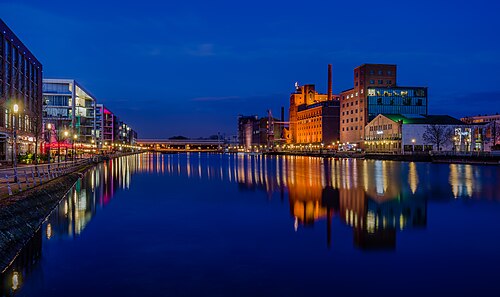
Nestled in the heart of North Rhine-Westphalia, Duisburg is a vibrant German city with a rich industrial past and a lively present. With nearly half a million residents, it stands out as a key player in the Ruhr region. Its claim to fame? The world's largest inland port, which makes the city a powerhouse of logistics and trade. Thanks to its strategic location near Düsseldorf Airport, Duisburg is a crucial hub for commerce, steel manufacturing, and international freight. Whether you’re exploring its historic roots, which trace back to Frankish times, or marveling at its modern industrial landscape, Duisburg offers a fascinating blend of history, industry, and innovation.