


- typical visit
- 75 min

Germany
Art & Culture in Ulm
Nestled on the edge of Bavaria in Baden-Württemberg, Ulm is a charming southwestern German town famous for its towering landmarks. Don't miss the Ulm Minster, which boasts the tallest church steeple in the world at 161.53 meters—an even taller feat than Cologne’s Cathedral. From above, Ulm's skyline is truly impressive, with its spire piercing the sky and hinting at a rich history that dates back to around 850 AD.
Image: Wikimedia Commons
Build a day-by-day plan in the app
Turns city guides into routed itineraries with maps and stories.
Nearby cities
Within travel distance of Ulm.

Augsburg
Germany
Augsburg, a refined metropolis in Bavaria, beckons with its captivating blend of history and contemporary elegance. Home to approximately 300,000 residents and a sprawling metropolitan area of nearly 885,000 as of 2023, this city is renowned for its ancient roots and modern vibrancy. Located just 60 kilometers northwest of Munich, Augsburg stands as one of Germany’s oldest cities, founded in 15 BC by the Romans as Augusta Vindelicorum, named after Emperor Augustus. Its well-preserved historic center, the Altstadt, whispers tales of centuries past, while a thriving university and cultural scene infuse it with youthful energy. Steeped in history—from its days as a Free Imperial City to its pivotal role in the Reformation—Augsburg exemplifies timeless charm and sophistication, offering an immersive journey through Germany’s rich heritage.
Tübingen
Germany
Tübingen is a charming university town nestled near the heart of Baden-Württemberg, just about 30 km southwest of Stuttgart. Its streets are lined with medieval buildings, and the lively student scene adds a vibrant flavor to the town. Known for its quirky festivals that spill through the streets year-round, and with around 40% of residents supporting the Green Party, Tübingen offers a truly unique atmosphere. It's a place where history, youthful energy, and community spirit come together in an inviting package.

Stuttgart
Germany
Explore Stuttgart, a city where innovation meets nature. Known globally for its automotive giants like Mercedes-Benz, Porsche, and Bosch, this city unfolds uniquely across rolling hills, lush forests, and scenic parks. Unlike typical industrial hubs, Stuttgart’s sprawling landscape is dotted with vineyards and mineral springs, blending modern industry with a vibrant, green cityscape. Situated on the fertile Neckar river in the Stuttgart Cauldron, it’s a hub of culture, technology, and history, offering a fresh perspective on urban living in Germany.
Ingolstadt
Germany
Nestled along the Danube in Upper Bavaria, Ingolstadt is a city rich in history and modern industry. With a population of over 142,000 residents as of late 2023, it’s the second-largest city in the region after Munich and a notable hub in Bavaria. This city’s roots stretch back to 806 AD, and during the late Middle Ages, it stood as one of Bavaria’s key capitals, sharing prominence with Munich, Landshut, and Straubing—evident in its historic architecture. Ingolstadt gained academic fame in 1472 when it established Bavaria’s first university, which played a pivotal role during the Counter-Reformation. Today, the city is renowned for being home to the automotive giant Audi, as well as its thriving manufacturing sectors like mechanical engineering. Visitors can explore a well-preserved old town that echoes its medieval past, while the city’s modern vibrancy is fueled by its industries and educational institutions.

Sankt Gallen
Switzerland
Nestled in eastern Switzerland, Saint Gallen is a vibrant city where history and modern life blend seamlessly. Its crown jewel is the UNESCO-listed Abbey of Saint Gall, home to a world-famous historic library that dates back to the 9th century. Beyond its cultural treasures, the city boasts a charming collection of heritage buildings and well-curated museums. When you need a breather from urban exploration, Saint Gallen offers a perfect launchpad to the scenic Appenzell Alps, making it a hub of both culture and nature.
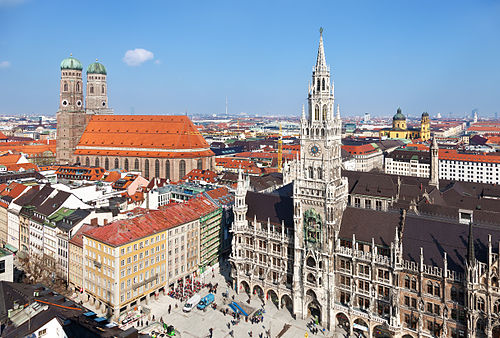
Munich
Germany
Munich, known as München in German and Minga in Bavarian, serves as the vibrant capital of Bavaria in southern Germany. As of 2024, nearly 1.6 million residents call Munich home, making it the third most populous city in the country, with a metropolitan area that includes suburbs totaling around 3 million people. When you expand to the broader Munich region, which includes cities like Augsburg and Ingolstadt, the population grows to approximately 6.2 million. Sitting on the banks of the Isar River, Munich is celebrated for its stunning architecture, rich cultural scene, and historical significance. The city’s resilience is evident in how it rebounded from heavy destruction during WWII, rebuilding landmarks like the Frauenkirche and the City Hall. Visitors flock here for its lively festivals, sport events, world-class museums such as the Deutsches Museum and BMW Museum, and its status as a hub for engineering, science, and innovation. Munich’s thriving economy, high quality of life, and diverse industries—from automotive to biotech—make it one of Germany’s most prosperous and fastest-growing cities.

Karlsruhe
Germany
Nestled along the banks of the Rhine in Baden-Württemberg, Karlsruhe is a sophisticated German city that marries legal prestige with a vibrant intellectual spirit. While it remains somewhat under the radar for international tourists, this city offers a tranquil environment ideal for work and study. Its proximity to the Black Forest and the French border adds a touch of continental elegance, making Karlsruhe a quietly influential hub of science, technology, and culture. With a population of around 300,000, it stands out as the largest city within a 60-kilometer radius, exemplifying understated charm and refined practicality.

Baden-Baden
Germany
Tucked at the edge of the Black Forest in southwestern Germany, Baden-Baden is famed as a luxurious spa town built around natural thermal springs. While its reputation as a playground for the wealthy might precede it, this charming town offers a more accessible side—nestled in a lush, wooded valley, you can soak up its historic charm without breaking the bank. Recognized as one of Europe’s 11 Great Spa Towns and a UNESCO World Heritage site, Baden-Baden invites you to indulge in its timeless elegance and natural beauty.