


- typical visit
- 30 min
Germany
Iconic Sights in Würzburg
Nestled in the heart of Franconia in northern Bavaria, Würzburg (sometimes spelled Wurzburg) is a city shrouded in both history and charm. It’s the largest city in Lower Franconia and a well-kept secret for those enchanted by wine and scenic routes. The city’s silhouette is defined by the mighty Main River, which gracefully curves past the fortress of Marienberg perched atop a hill—an imposing relic with stories echoing through centuries. Visitors are often captivated by the Würzburg Residence and its lush gardens, a baroque masterpiece that whispers tales of opulence and artistry, inviting explorers to uncover its timeless allure.
Build a day-by-day plan in the app
Turns city guides into routed itineraries with maps and stories.
Nearby cities
Within travel distance of Würzburg.

Bamberg
Germany
Nestled along the Regnitz River in Upper Franconia, Bamberg is a picturesque Bavarian town renowned for its rich history and well-preserved architecture. With a population slightly over 70,000, it boasts a stunning array of South German Baroque buildings, making the entire town a UNESCO World Heritage Site since 1993. Often celebrated as one of Germany’s most beautiful towns, Bamberg’s medieval streets and timber houses evoke a timeless charm, inviting visitors to explore its historic streets and architectural treasures.

Nürnberg
Germany
Step off the beaten path and discover Nuremberg, the beating heart of Franconia and its largest city. Sitting proudly along the Pegnitz River and the Main-Danube Canal, this vibrant city blends centuries of history with a lively modern spirit. Home to around 520,000 residents (as of 2018), Nuremberg is the second-largest city in Bavaria and an essential hub in the wider region, with a metropolitan population of over 3.5 million. Wander through its medieval streets, where landmarks like the Sinwell Tower, Walpurgis Chapel, and the historic Heimlicher Wächtergang await. Once a fiercely independent Free Imperial City, Nuremberg flourished during the 16th century with luminaries like Albrecht Dürer, Hans Sachs, and Martin Behaim shaping its artistic and industrial legacy. The city’s complex history includes a period as a Nazi rallying point and later as the site of the infamous war crimes trials. Despite the scars of war and bombings, Nuremberg rose from the ashes, preserving much of its medieval charm and cultural vibrancy that continue to draw visitors today.
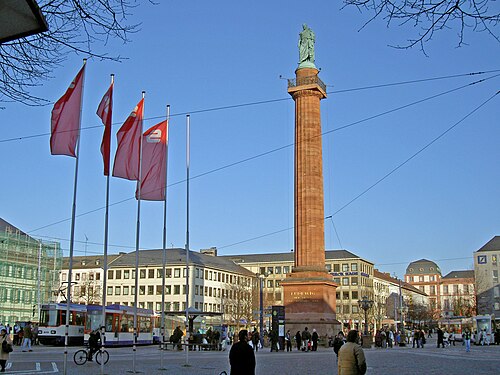
Darmstadt
Germany
Nestled south of Frankfurt in the heart of Hesse, Darmstadt is a vibrant city with around 160,000 residents as of 2019. Known for its stunning Jugendstil (art nouveau) architecture, many of these beautifully crafted buildings escaped the destruction during the heavy bombings of September 1944. Walk through this city and marvel at its elegant, historic charm and resilient spirit.

Frankfurt am Main
Germany
Frankfurt am Main, often simply called Frankfurt, stands as the largest city in the German state of Hesse and is recognized as a major global financial hub. With a population of around 778,589 residents as of 2025, it ranks as Germany’s fifth-largest city, following Berlin, Hamburg, Munich, and Cologne. The city’s skyline is iconic, featuring towering modern skyscrapers that symbolize its status as a financial powerhouse. It hosts key institutions such as the European Central Bank, Deutsche Börse, and numerous leading financial firms. Frankfurt’s significance extends beyond finance; it’s famous for hosting international trade fairs like the Frankfurt Auto Show and the Frankfurt Book Fair, drawing visitors from around the world. Strategically positioned along the River Main at a crossroads of Germany’s Autobahn network and connected by high-speed rail, the city’s airport on its outskirts is Germany’s busiest, making Frankfurt one of Europe’s essential transportation hubs.

Heidelberg
Germany
Nestled along the Neckar River, Heidelberg shines as one of Germany’s most enchanting destinations. Its cobbled streets and scenic timber-framed houses whisper stories of centuries past, all crowned by the iconic ruins of Heidelberg Castle. With Germany’s oldest university, founded way back in 1386, this city oozes academic charm and romantic allure. Whether wandering through its historic old town or soaking in panoramic views from the Königstuhl, Heidelberg invites you to uncover its timeless magic.

Mannheim
Germany
Nestled in the northwest corner of Baden-Württemberg, Mannheim stands out as a vibrant hub where the Rhine and Neckar rivers converge. As Germany’s second-largest city in the state and a magnet for diverse cultures, Mannheim pulses with a lively mix of nationalities and modern urban energy. With around 310,000 residents as of 2020, this city is a dynamic blend of tradition and contemporary life, offering visitors a colorful tapestry of sights, sounds, and flavors.

Mainz
Germany
Nestled at the heart of the Rhineland-Palatinate region, Mainz is a vibrant hub where history, culture, and modern city life collide. As the largest city in the area with around 225,000 residents, it pulses with energy—serving as a major transport nexus and a cornerstone of Germany’s wine scene, thanks to its mild climate and rich viticultural tradition. This city also stands out as a media powerhouse, hosting the headquarters of ZDF, one of the country’s leading broadcasters. Mainz’s historic streets tell stories dating back to Roman times, when it was known as Castrum Mogontiacum, founded in the 1st century BC. Today, the city’s lively atmosphere is infused with a blend of ancient roots and contemporary culture, making it a must-visit for those eager to experience Germany’s dynamic urban scene.

Stuttgart
Germany
Explore Stuttgart, a city where innovation meets nature. Known globally for its automotive giants like Mercedes-Benz, Porsche, and Bosch, this city unfolds uniquely across rolling hills, lush forests, and scenic parks. Unlike typical industrial hubs, Stuttgart’s sprawling landscape is dotted with vineyards and mineral springs, blending modern industry with a vibrant, green cityscape. Situated on the fertile Neckar river in the Stuttgart Cauldron, it’s a hub of culture, technology, and history, offering a fresh perspective on urban living in Germany.