

- typical visit
- 60 min

Italy
Bergamo
Perched on a dramatic hill in Lombardy, Bergamo is one of Italy’s most picturesque cities. Its historic upper town, with pastel-colored buildings, offers stunning views of the nearby Alps—beautiful in winter’s snow or summer’s greenery. Despite its charming appearance, Bergamo is also a hub of industry and commerce, which has helped it grow wealthy. Its proximity to Orio al Serio Airport makes it a convenient gateway for travelers eager to explore its rich history and vibrant culture while enjoying modern amenities.
Image: Wikimedia Commons
Get to know more
Things to do
## What to do in Bergamo Bergamo is best experienced across both its historic Upper Town and its elegant Lower Town. For what to do in Bergamo, start with the funicular from Città Bassa to Città Alta, or climb the old stone stairways for atmospheric views on the way up. In the walled historic centre, stroll along the Venetian Walls—now a UNESCO World Heritage Site—and explore Piazza Vecchia, the Palazzo della Ragione, the Campanone, the Basilica of Santa Maria Maggiore, the Colleoni Chapel and the Duomo. Continue along Corsarola to Colle Aperto, where you can try stracciatella gelato, which was created in Bergamo, before taking the second funicular to San Vigilio for wide views over the city and surrounding valleys. What Bergamo is famous for includes its medieval Città Alta, Venetian fortifications, Renaissance art and musical heritage. Visit the Accademia Carrara for works by artists including Botticelli, Bellini, Raphael, Titian, Lorenzo Lotto and Moroni, or follow the story of local composer Gaetano Donizetti through his museum, birthplace and performances at Teatro Donizetti. The city’s food traditions are another highlight: look for local polenta and Bergamo’s cheeses, including its nine PDO-certified varieties, and make time for an aperitivo in one of the historic squares. For what to do in Bergamo city centre, combine the Upper Town’s monuments and viewpoints with the Lower Town’s Sentierone, Piazza Dante, Piazza Vittorio Veneto, theatres, cafés and museums. The city also suits travellers who want time outdoors: Parco dei Colli surrounds the historic core with trails, greenery and rural landscapes. Walk towards the Castle of San Vigilio or continue towards the former Astino monastery; the park is also a natural setting for cycling and longer walks. Bergamo makes an excellent base for weekend activities in Bergamo: a compact city break can mix art, history, food, scenic walks and live cultural performances without requiring a car. Allow time to linger on the walls at sunset, explore the quieter lanes and gardens around the old town, and enjoy the evening atmosphere in Piazza Vecchia before discovering more of the Lower Town’s restaurants and cultural venues.
Things to do
## What to do in Bergamo Bergamo is best experienced across both its historic Upper Town and its elegant Lower Town. For what to do in Bergamo, start with the funicular from Città Bassa to Città Alta, or climb the old stone stairways for atmospheric views on the way up. In the walled historic centre, stroll along the Venetian Walls—now a UNESCO World Heritage Site—and explore Piazza Vecchia, the Palazzo della Ragione, the Campanone, the Basilica of Santa Maria Maggiore, the Colleoni Chapel and the Duomo. Continue along Corsarola to Colle Aperto, where you can try stracciatella gelato, which was created in Bergamo, before taking the second funicular to San Vigilio for wide views over the city and surrounding valleys. What Bergamo is famous for includes its medieval Città Alta, Venetian fortifications, Renaissance art and musical heritage. Visit the Accademia Carrara for works by artists including Botticelli, Bellini, Raphael, Titian, Lorenzo Lotto and Moroni, or follow the story of local composer Gaetano Donizetti through his museum, birthplace and performances at Teatro Donizetti. The city’s food traditions are another highlight: look for local polenta and Bergamo’s cheeses, including its nine PDO-certified varieties, and make time for an aperitivo in one of the historic squares. For what to do in Bergamo city centre, combine the Upper Town’s monuments and viewpoints with the Lower Town’s Sentierone, Piazza Dante, Piazza Vittorio Veneto, theatres, cafés and museums. The city also suits travellers who want time outdoors: Parco dei Colli surrounds the historic core with trails, greenery and rural landscapes. Walk towards the Castle of San Vigilio or continue towards the former Astino monastery; the park is also a natural setting for cycling and longer walks. Bergamo makes an excellent base for weekend activities in Bergamo: a compact city break can mix art, history, food, scenic walks and live cultural performances without requiring a car. Allow time to linger on the walls at sunset, explore the quieter lanes and gardens around the old town, and enjoy the evening atmosphere in Piazza Vecchia before discovering more of the Lower Town’s restaurants and cultural venues.


Frequently asked questions
Build a day-by-day plan in the app
Turns city guides into routed itineraries with maps and stories.
Nearby cities
Within travel distance of Bergamo.

Monza
Italy
Nestled in Lombardy, just 15 kilometers northeast of Milan, Monza is renowned for more than just its proximity to Italy’s fashion and finance capital. As the capital of the Province of Monza and Brianza, this lively city is famous worldwide for its historic racetrack, which hosts the annual Formula 1 Italian Grand Prix. Whether you're a motorsport enthusiast or simply exploring the region, catching a race here is a thrilling experience that captures the city's racing spirit.

Milan
Italy
Milan, known locally as Milano, stands as Italy’s financial powerhouse and is home to the prominent Borsa Italiana stock exchange. It ranks as the second most populous city in Italy, yet it is the core of the country’s largest urban and metropolitan area. Despite suffering extensive destruction during World War II, Milan has risen anew as a vibrant, cosmopolitan hub of commerce and culture. For visitors, the city’s appeal lies not only in its historical landmarks but also in its lively lifestyle—an enticing blend of high-end shopping, fervent football rivalries, world-renowned opera, and dynamic nightlife. Milan’s reputation as Italy’s fashion capital draws international attention twice annually during its celebrated spring and autumn fashion weeks.
Brescia
Italy
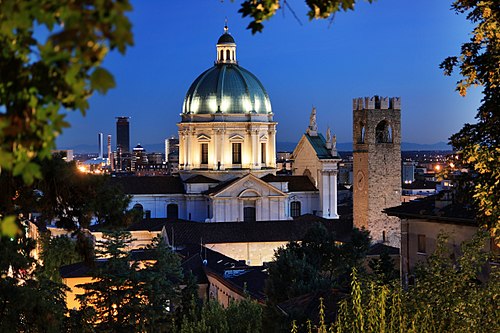
Nestled in the Lombardy region, Brescia is a city rich in history and industry, situated between the shimmering waters of Lake Garda, Lake Iseo, and the foothills of the Alps. About 100 kilometers east of Milan, this vibrant city serves as the provincial capital and a hub for automotive and metal industries, including renowned brands like Beretta and Perazzi. For vintage car enthusiasts, Brescia is a must-see destination during the Mille Miglia race, which both begins and concludes here. The city’s culinary scene also shines with the celebrated Franciacorta wines, often called Italy’s sparkling jewel. Walking through Brescia reveals a tapestry of history—from ancient Roman ruins and medieval castles to Renaissance squares—each telling stories of a city that has been a vital center since pre-Roman times.

Como
Italy
Tucked at the southern tip of Lake Como in Lombardy, Como is a city where the Alps whisper nearby and history lingers in the air. With a population of around 84,000 (as of 2015), this charming Italian town borders Switzerland at its northwest corner, adding a touch of international intrigue. Beyond its scenic lakeside setting, Como reveals a treasure trove of art, religious landmarks, lush gardens, and grand palaces—each telling stories of centuries past. From the majestic Duomo and the Basilica of Sant'Abbondio to the elegant Villa Olmo and the historic Broletto town hall, every corner invites curiosity. The city also boasts modernist marvels like Casa del Fascio and has been the birthplace of illustrious figures—poets, scientists, and architects—whose legacies still echo through its streets.

Lugano
Switzerland
Lugano stands as a luxurious lakeside retreat in the heart of Ticino, the Italian-speaking enclave of southern Switzerland. Esteemed as the largest Italian-speaking city outside Italy, it boasts a refined micro-climate adorned with elegant palm-lined avenues, breathtaking vistas of the shimmering lake, and the majestic Alps beyond. A hub of both sophistication and leisure, Lugano offers an exquisite blend of outdoor pursuits and cultural experiences. As the financial heartbeat of Ticino and Switzerland’s third-largest banking center, it exudes a discreet yet vibrant charm. While it unofficially claims the title of Ticino’s capital, its proximity to Lake Como—just half an hour away—makes Lugano an ideal base for exploring the region’s most coveted destinations. In summer, the city’s relaxed ambiance invites indulgence and leisure amidst stunning natural beauty.

Varese
Italy
Varese, affectionately known as Varés in Lombard, is a charming hillside city nestled in Lombardy, just a few kilometers from Switzerland. Its historic center exudes a cozy atmosphere, offering visitors a glimpse into its rich past. The city is renowned for its breathtaking views over Lake Varese and the surrounding Alps, making it a perfect spot for both outdoor adventures and indoor cultural explorations. Understanding Varese’s scenic beauty and historical charm enriches any visit to this delightful corner of Italy.

Cremona
Italy
Cremona, a charming city in Southern Lombardy nestled in Italy’s Po Valley, boasts a captivating medieval core where history and culture collide. Its main square is flanked by the stunning cathedral and the historic town hall, creating a picturesque backdrop for modern city life. Renowned in the 17th century for its exquisite violins—most famously crafted by Stradivarius—Cremona also holds musical roots as the birthplace of Claudio Monteverdi, the legendary composer behind the opera L'Orfeo. Today, this city offers a perfect blend of artistic heritage and vibrant contemporary culture.

Pavia
Italy
Nestled in the heart of Lombardy, Pavia is a city that exudes timeless elegance and historical grandeur. Renowned for its ancient university, established in 1361, and a wealth of captivating churches, this city is affectionately known as the 'City of a Hundred Towers' and the 'City of Kings,' recalling its illustrious past as the Lombard capital. Surrounded by the rolling hills and vineyards of Oltrepo' Pavese, often called the 'Tuscany of Northern Italy,' Pavia offers a sophisticated blend of scholarly heritage, architectural beauty, and lush landscapes that make it a refined destination for discerning travelers.