

- typical visit
- 20 min

Italy
Pisa
Pisa, nestled in Tuscany, Italy, is famously home to the iconic Leaning Tower, but this charming city offers more than just its architectural star. As you stroll from the world-renowned Piazza dei Miracoli to the train station, you'll enjoy a lively pedestrian street filled with local shops, cafes, and sights that highlight Pisa’s rich history. Exploring the city on foot reveals its intimate, walkable streets and the vibrant atmosphere that has captivated visitors for centuries. To truly appreciate Pisa, take your time wandering through its historic streets and soaking in its cultural ambiance.
Image: Wikimedia Commons
Get to know more
Things to do
## What to do in Pisa Wondering what to do in Pisa? Start with what Pisa is famous for: Piazza del Duomo, also known as Piazza dei Miracoli, where the Leaning Tower stands alongside the Cathedral, Baptistery and Camposanto. Take time to appreciate the whole monumental landscape, then visit the Opera della Primaziale museum for works connected with the square. There is plenty more to discover beyond the tower. Walk through the historic centre towards the Arno, following the Lungarni and crossing the city’s bridges. Browse the shops and cafés around Borgo Stretto and Corso Italia, pause for an aperitivo around Piazza delle Vettovaglie or Piazza Gambacorti, and look for Santa Maria della Spina beside the river. Art lovers can visit Palazzo Blu and the National Museum of San Matteo, while Keith Haring’s colourful 1989 mural, Tuttomondo, offers a very different view of Pisa’s cultural identity. For what to do in Pisa city centre, combine the Piazza dei Miracoli with a relaxed walk to the Arno rather than treating the tower as a quick stop. The central streets, riverside palazzi, churches and university atmosphere are particularly enjoyable on foot. If you have extra time, head to the nearby San Rossore Estate for walking, cycling, horse riding or a guided nature excursion. Weekend activities in Pisa can be as cultural or easy-going as you like: explore the monuments and museums, take a riverside stroll, enjoy Tuscan food and drinks in the evening, or check the city’s events calendar for exhibitions, performances and local festivals. Pisa’s traditional June celebrations are a highlight when dates coincide with your visit: the Luminara di San Ranieri illuminates the Lungarni on 16 June, while the Gioco del Ponte brings a historic contest and procession to Ponte di Mezzo later in the month. Always check current opening hours, ticket requirements and the official calendar before travelling.
Things to do
## What to do in Pisa Wondering what to do in Pisa? Start with what Pisa is famous for: Piazza del Duomo, also known as Piazza dei Miracoli, where the Leaning Tower stands alongside the Cathedral, Baptistery and Camposanto. Take time to appreciate the whole monumental landscape, then visit the Opera della Primaziale museum for works connected with the square. There is plenty more to discover beyond the tower. Walk through the historic centre towards the Arno, following the Lungarni and crossing the city’s bridges. Browse the shops and cafés around Borgo Stretto and Corso Italia, pause for an aperitivo around Piazza delle Vettovaglie or Piazza Gambacorti, and look for Santa Maria della Spina beside the river. Art lovers can visit Palazzo Blu and the National Museum of San Matteo, while Keith Haring’s colourful 1989 mural, Tuttomondo, offers a very different view of Pisa’s cultural identity. For what to do in Pisa city centre, combine the Piazza dei Miracoli with a relaxed walk to the Arno rather than treating the tower as a quick stop. The central streets, riverside palazzi, churches and university atmosphere are particularly enjoyable on foot. If you have extra time, head to the nearby San Rossore Estate for walking, cycling, horse riding or a guided nature excursion. Weekend activities in Pisa can be as cultural or easy-going as you like: explore the monuments and museums, take a riverside stroll, enjoy Tuscan food and drinks in the evening, or check the city’s events calendar for exhibitions, performances and local festivals. Pisa’s traditional June celebrations are a highlight when dates coincide with your visit: the Luminara di San Ranieri illuminates the Lungarni on 16 June, while the Gioco del Ponte brings a historic contest and procession to Ponte di Mezzo later in the month. Always check current opening hours, ticket requirements and the official calendar before travelling.


Frequently asked questions
Build a day-by-day plan in the app
Turns city guides into routed itineraries with maps and stories.
Nearby cities
Within travel distance of Pisa.

Lucca
Italy
Nestled in the heart of Tuscany, Lucca is a charming city of around 90,000 residents (as of 2017) that boasts a history dating back to Etruscan and Roman times. Its well-preserved ancient architecture offers a window into its storied past. During the Gothic era, just before the Renaissance, Lucca reached its zenith, leaving behind marvelous structures from that vibrant period. Remarkably, it remained an independent city-state until the late 18th century. Today, Lucca also holds cultural significance as the birthplace of the renowned opera composer Giacomo Puccini, whose childhood home continues to draw opera enthusiasts from around the world.
Livorno
Italy
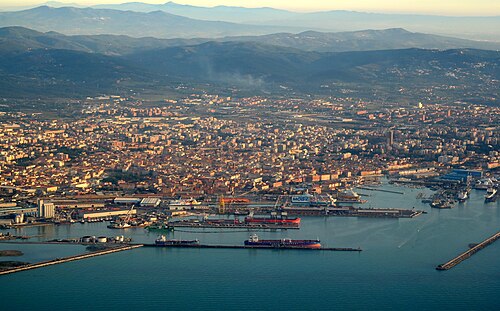
Discover Livorno, a lively port city nestled along Italy’s Ligurian Sea in Tuscany. Known in English as Leghorn—once a common name—this bustling hub has a rich history rooted in Renaissance ideals. Built as an 'ideal town' under the Medici family’s guidance, Livorno blossomed into a crucial free port, teeming with international traders and harboring numerous consulates and shipping firms. Its heyday, marked by a multicultural buzz and economic prosperity, left behind elegant churches, grand villas, and stately palaces that still tell stories of its golden era. Today, Livorno stands out as Tuscany’s most modern city and ranks third in regional size after Florence and Prato, offering a fascinating blend of history and contemporary life.

Pistoia
Italy
Hidden in the heart of Tuscany, Pistoia is a quiet escape that defies the typical tourist trail. Nestled roughly midway between Florence and Lucca—each about 40 kilometers away—this charming city boasts a population under 90,000, giving it a cozy, city-like atmosphere. Its compact, walkable streets reveal a tapestry of history and local life, making it a perfect hideaway for wanderers eager to explore Tuscany’s lesser-known corners. Despite its quiet charm, Pistoia’s strategic location makes it an ideal launchpad for discovering the region’s hidden gems.

Prato
Italy
Nestled just west of Florence in Tuscany, Prato is a lively city with a population nearing 195,000. As the capital of its province, Prato has long been recognized for its vital role in Italy's textile industry. Visitors often indulge in local specialties like the famous biscotto di Prato, a crisp almond biscuit affectionately known as 'cantuccio.' Over recent decades, the city has experienced a population surge thanks to increased immigration, making it the second-largest city in Tuscany and ranking third in central Italy, just behind Rome and Florence. Its rich history and vibrant cultural scene offer a fascinating glimpse into Tuscany’s contemporary life.

Florence
Italy
Florence, or Firenze as locals call it, is Italy’s Tuscan jewel—a city where art, history, and architecture intertwine to create a living masterpiece. With a population of around 367,000, this city is a birthplace of the Renaissance, echoing with the footsteps of creative geniuses, powerful families, and scientific visionaries. Its storied streets and world-renowned museums, like the Uffizi Gallery, stand as testaments to a rich cultural legacy. As the cradle of Dante’s poetry and the Tuscan dialect that shapes modern Italian, Florence isn’t just a city; it’s a vibrant canvas of human achievement and artistic spirit, inscribed as a UNESCO World Heritage site that continues to inspire visitors from around the globe.

Siena
Italy
Perched within the scenic landscape of Tuscany, Siena is a fortified city celebrated for its rich cultural heritage, art, and vibrant traditions. Its medieval core, a UNESCO World Heritage Site, is a captivating mosaic of historic buildings, narrow streets, and stunning towers that offer sweeping views of the surrounding countryside. The city is renowned for the Palio, a lively horse race held twice each summer in Piazza del Campo, and for its contributions to art, being the birthplace of influential painters like Duccio di Buoninsegna and Simone Martini. Siena’s history as a major banking hub, home to the world’s oldest bank, Monte dei Paschi, and its enduring culinary and artistic traditions make it a must-visit destination in Italy.

Reggio nell'Emilia
Italy
Nestled in Italy's Emilia-Romagna region, Reggio nell'Emilia—often simply called Reggio by locals—is a city rich in history and charm. Situated along the historic Via Emilia, it lies conveniently between Parma and Modena, making it a perfect stop for travelers eager to explore northern Italy. With a population of approximately 172,500 residents, Reggio stands as the fourth-largest city in the region and a fascinating destination for those interested in Italy’s cultural tapestry. The city's old town boasts a unique hexagonal layout, a testament to its ancient defensive walls, and is dotted with splendid buildings from the 16th and 17th centuries. Sitting entirely on a flat plain crossed by the Crostolo stream, Reggio offers a peaceful yet historically vibrant atmosphere—an ideal place to delve into Italy’s regional history and enjoy its inviting ambiance.

Modena
Italy
Nestled in the heart of Italy’s Emilia-Romagna region, Modena is a city renowned for its rich artistic and historical heritage. Its UNESCO-listed complex, featuring the 12th-century cathedral, the striking Piazza Grande, and the iconic Ghirlandina tower, draws travelers eager to admire Italy’s Romanesque masterpieces. Beyond its artistic treasures, Modena’s cultural significance is complemented by its deep roots in automotive history, being the birthplace or home of legendary brands such as Ferrari, Lamborghini, Maserati, De Tomaso, and Pagani. The city’s university, established in 1175, is Italy’s second-oldest, specializing in law, medicine, and economics, while its Baroque Ducal Palace and the Biblioteca Estense offer a glimpse into its scholarly and aristocratic past. Modena’s culinary fame is anchored in its world-famous balsamic vinegar, making it a destination that beautifully balances art, history, and gastronomy.