

- typical visit
- 30 min

Italy
Rimini
Rimini, a lively resort city along Italy’s eastern coast in Emilia-Romagna, epitomizes Italy’s relaxed seaside charm. Known for its extensive array of over a thousand hotels, this bustling destination attracts visitors from around the world seeking sun and surf. Its friendly atmosphere and excellent cuisine make it one of Italy’s most approachable seaside towns, favored by Italians, Germans, and Russians alike. Rich in history, Rimini was founded as a Roman colony in 268 BC, featuring iconic monuments such as the Arch of Augustus and the Ponte di Tiberio. Over centuries, it flourished during the Renaissance under the Malatesta court, welcoming artists like Leonardo da Vinci and producing the stunning Tempio Malatestiano. The city played a significant role in Italy’s unification efforts in the 19th century and, despite heavy destruction during World War II, showed remarkable resilience, earning a civic medal for resistance. Today, Rimini continues to thrive as a major hub for tourism and trade fairs, with a population of approximately 150,630 in the city proper and over 340,000 in its province.
Image: Wikimedia Commons
Get to know more
Things to do
## Things to do in Rimini Rimini is famous for combining a long Adriatic seafront with more than 2,000 years of history, Renaissance art, lively nightlife and the cinematic legacy of Federico Fellini. Spend time on La Marina, the city’s extensive beach, where summer brings swimming, sunbathing, beach sports, bars and evening entertainment. Private bathing establishments offer sunbeds and umbrellas, while free public beach areas provide a simpler seaside experience. In cooler months, the wide shore is ideal for a peaceful walk or jog, especially when the winter mist settles over the sea. For things to do in Rimini beyond the beach, explore the historic centre on foot. Begin at the Roman Arch of Augustus and follow Corso d’Augusto towards Piazza Tre Martiri and Piazza Cavour, the city’s civic heart. Along the way, look for the Malatesta Temple, Rimini’s Renaissance cathedral, the restored Galli Theatre and the Domus del Chirurgo, an archaeological site with mosaics and an exceptional collection of Roman surgical instruments. The adjacent City Museum adds further context through archaeological, medieval and Renaissance collections. Rimini’s city centre is also a good place to eat: try a thin piadina, hand-rolled pasta or passatelli, fresh Adriatic fish and local Sangiovese or Rebola wine. Continue across the Tiberius Bridge to Borgo San Giuliano, a former fishing quarter known for pastel-coloured houses, murals associated with Fellini and relaxed restaurants and bars. The riverside Piazza sull’Acqua is a pleasant place to pause and view the ancient bridge, particularly around sunset. Film enthusiasts can visit the Fellini Museum, spread across Castel Sismondo, Piazza Malatesta and Cinema Fulgor, where exhibitions explore the director’s drawings, films, costumes and imagination. A weekend in Rimini can balance culture, food and open-air time. Walk or cycle along the Parco del Mare waterfront, relax at the marina or follow the 1,300-metre elevated walkway at Rimini Marina. The seafront has cycle paths, green spaces, outdoor fitness areas and access to the beaches, while Marina Centro and the historic centre provide aperitivo spots, wine bars, restaurants and evening entertainment. For a change of scenery, hike the paths on the Covignano hills for coastal and inland views, or visit family attractions such as Italia in Miniatura and Fiabilandia. Rimini Fiera and the nearby Palacongressi also host trade fairs, exhibitions, conventions and public events throughout the year, so check the programme when planning your visit.
Things to do
## Things to do in Rimini Rimini is famous for combining a long Adriatic seafront with more than 2,000 years of history, Renaissance art, lively nightlife and the cinematic legacy of Federico Fellini. Spend time on La Marina, the city’s extensive beach, where summer brings swimming, sunbathing, beach sports, bars and evening entertainment. Private bathing establishments offer sunbeds and umbrellas, while free public beach areas provide a simpler seaside experience. In cooler months, the wide shore is ideal for a peaceful walk or jog, especially when the winter mist settles over the sea. For things to do in Rimini beyond the beach, explore the historic centre on foot. Begin at the Roman Arch of Augustus and follow Corso d’Augusto towards Piazza Tre Martiri and Piazza Cavour, the city’s civic heart. Along the way, look for the Malatesta Temple, Rimini’s Renaissance cathedral, the restored Galli Theatre and the Domus del Chirurgo, an archaeological site with mosaics and an exceptional collection of Roman surgical instruments. The adjacent City Museum adds further context through archaeological, medieval and Renaissance collections. Rimini’s city centre is also a good place to eat: try a thin piadina, hand-rolled pasta or passatelli, fresh Adriatic fish and local Sangiovese or Rebola wine. Continue across the Tiberius Bridge to Borgo San Giuliano, a former fishing quarter known for pastel-coloured houses, murals associated with Fellini and relaxed restaurants and bars. The riverside Piazza sull’Acqua is a pleasant place to pause and view the ancient bridge, particularly around sunset. Film enthusiasts can visit the Fellini Museum, spread across Castel Sismondo, Piazza Malatesta and Cinema Fulgor, where exhibitions explore the director’s drawings, films, costumes and imagination. A weekend in Rimini can balance culture, food and open-air time. Walk or cycle along the Parco del Mare waterfront, relax at the marina or follow the 1,300-metre elevated walkway at Rimini Marina. The seafront has cycle paths, green spaces, outdoor fitness areas and access to the beaches, while Marina Centro and the historic centre provide aperitivo spots, wine bars, restaurants and evening entertainment. For a change of scenery, hike the paths on the Covignano hills for coastal and inland views, or visit family attractions such as Italia in Miniatura and Fiabilandia. Rimini Fiera and the nearby Palacongressi also host trade fairs, exhibitions, conventions and public events throughout the year, so check the programme when planning your visit.
- typical visit
- 30 min
- typical visit
- 75 min
- typical visit
- 60 min
- typical visit
- 75 min
- typical visit
- 60 min
- typical visit
- 75 min
- typical visit
- 60 min
- typical visit
- 60 min
- typical visit
- 75 min
- typical visit
- 60 min
- typical visit
- 90 min
- typical visit
- 90 min
- typical visit
- 30 min
- typical visit
- 15 min
- typical visit
- 60 min
- typical visit
- 45 min
- typical visit
- 45 min
- typical visit
- 45 min
- typical visit
- 60 min
- typical visit
- 90 min
- typical visit
- 60 min


Frequently asked questions
Build a day-by-day plan in the app
Turns city guides into routed itineraries with maps and stories.
Explore more in Italy
Nearby cities
Within travel distance of Rimini.

Ravenna
Italy
Tucked away in Italy's Emilia-Romagna region, Ravenna is a city shrouded in layers of history and mystery. Once the imperial seat of the Western Roman Empire during the tumultuous 5th century, it later served as the heart of the Ostrogothic Kingdom and then the Byzantine Exarchate. With a population of around 156,444 residents in 2025, this inland city boasts a surprising connection to the sea—linked by the Candiano Canal to the Adriatic. Its streets are a living museum, filled with stunning mosaics and well-preserved Roman and Byzantine architecture, earning it the nickname 'capital of mosaics' and a UNESCO World Heritage designation for its early Christian monuments.

Ancona
Italy
Ancona stands out as the gateway to Italy’s Marche region, blending its role as a bustling port city with vibrant urban culture. Sitting on the Adriatic coast, this lively city offers a unique maritime vibe, where history meets modern life. With around 99,500 residents, Ancona’s elongated, elbow-shaped shoreline provides stunning views of both sunrise and sunset over the sea—a rare spectacle that connects visitors with the city’s maritime soul. Explore its hills and bustling port to experience a city that’s deeply rooted in Italy’s coastal identity and contemporary energy.
Perugia
Italy
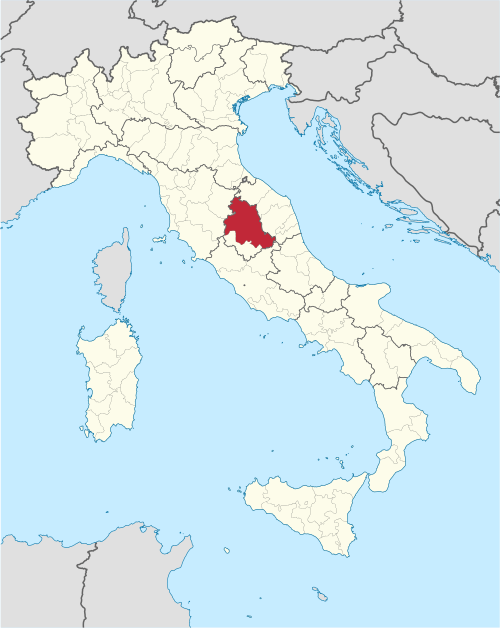
Perugia, the capital of Italy’s Umbria region, is a city rich in history and culture. Known for its vibrant medieval art scene, it boasts a beautifully preserved old town that enchants visitors with its picturesque streets and architecture. The city is renowned for hosting the prestigious Umbria Jazz Festival, attracting music enthusiasts from around the world. Additionally, Perugia is celebrated for its high-quality chocolates, making it a delightful destination for those with a sweet tooth. Its university draws a diverse international student population, contributing to the city’s lively and cosmopolitan atmosphere.

Bologna
Italy
Bologna stands out as a vibrant hub of history and modern city life in Italy’s Emilia-Romagna region. With its iconic brick terracotta rooftops and a lively student scene fueled by the world’s oldest university still in operation since 1088, the city pulses with energy. Its well-preserved medieval core, crowned by towering structures and elegant porticoes, offers a glimpse into centuries of culture, celebrated through UNESCO’s recognition of its porticoes as a World Heritage Site. Bologna's dynamic atmosphere extends beyond its charming streets, serving as a key player in Italy’s agriculture, industry, and finance sectors, while hosting one of Europe's largest trade fairs. Whether exploring its historic landmarks or enjoying its renowned culinary scene, Bologna remains a must-visit for those seeking a blend of tradition, innovation, and authentic Italian vibrancy.

Florence
Italy
Florence, or Firenze as locals call it, is Italy’s Tuscan jewel—a city where art, history, and architecture intertwine to create a living masterpiece. With a population of around 367,000, this city is a birthplace of the Renaissance, echoing with the footsteps of creative geniuses, powerful families, and scientific visionaries. Its storied streets and world-renowned museums, like the Uffizi Gallery, stand as testaments to a rich cultural legacy. As the cradle of Dante’s poetry and the Tuscan dialect that shapes modern Italian, Florence isn’t just a city; it’s a vibrant canvas of human achievement and artistic spirit, inscribed as a UNESCO World Heritage site that continues to inspire visitors from around the globe.

Ferrara
Italy
Nestled in Italy’s Emilia-Romagna region, Ferrara is a charming city that’s a UNESCO World Heritage Site, thanks to its stunning Renaissance architecture and its proximity to the Po River delta. Just 44 kilometers northeast of Bologna, this historic town boasts wide, welcoming streets and an impressive array of palaces that once hosted the court of the House of Este. With a population of around 132,000 (as of 2016), Ferrara offers a perfect blend of cultural richness and scenic beauty—definitely worth a visit for history buffs and architecture lovers alike.

Prato
Italy
Nestled just west of Florence in Tuscany, Prato is a lively city with a population nearing 195,000. As the capital of its province, Prato has long been recognized for its vital role in Italy's textile industry. Visitors often indulge in local specialties like the famous biscotto di Prato, a crisp almond biscuit affectionately known as 'cantuccio.' Over recent decades, the city has experienced a population surge thanks to increased immigration, making it the second-largest city in Tuscany and ranking third in central Italy, just behind Rome and Florence. Its rich history and vibrant cultural scene offer a fascinating glimpse into Tuscany’s contemporary life.

Siena
Italy
Perched within the scenic landscape of Tuscany, Siena is a fortified city celebrated for its rich cultural heritage, art, and vibrant traditions. Its medieval core, a UNESCO World Heritage Site, is a captivating mosaic of historic buildings, narrow streets, and stunning towers that offer sweeping views of the surrounding countryside. The city is renowned for the Palio, a lively horse race held twice each summer in Piazza del Campo, and for its contributions to art, being the birthplace of influential painters like Duccio di Buoninsegna and Simone Martini. Siena’s history as a major banking hub, home to the world’s oldest bank, Monte dei Paschi, and its enduring culinary and artistic traditions make it a must-visit destination in Italy.