


- typical visit
- 60 min

Italy
Verona
Step into Verona, a city rich with history and romance, nestled in Italy's Veneto region. With around 250,000 residents, it's best known worldwide as the backdrop for Shakespeare’s timeless tale of Romeo and Juliet. Don't miss exploring the iconic Arena, a stunning ancient amphitheater that still hosts performances today. Recognized as a UNESCO World Heritage site, Verona offers a perfect blend of cultural heritage and charming streets that make it a must-visit for history buffs and lovers of Italian charm alike.
Image: Wikimedia Commons
Get to know more
Things to do
## Things to do in Verona Verona is famous for its remarkably preserved Roman Arena, Shakespeare’s Romeo and Juliet connections, UNESCO-listed historic character, opera, and the food and wine traditions of nearby Valpolicella. In the city centre, explore Piazza Bra and the Arena, then wander through the compact medieval streets towards Juliet’s House, Piazza delle Erbe, Piazza dei Signori and the Arche Scaligere. Verona’s museums and monuments offer plenty to discover, including Castelvecchio and its art collection, the Roman Theatre and Archaeological Museum, Verona Cathedral, the churches of Sant’Anastasia and San Zeno, and the Torre dei Lamberti, whose lift or stairs lead to broad city views. For a different perspective, cross the Adige and climb towards the Sanctuary of Santa Maria di Lourdes or the Roman Theatre viewpoints. Take time for an aperitivo in the Carega area near the Duomo, where traditional wine bars and small restaurants make an easy-going evening activity. Food and wine lovers can also spend part of a weekend in the Valpolicella countryside, tasting Amarone and visiting wineries by guided tour or arranged transport. Families may prefer a relaxed round at Minigolf La Torretta, while sports fans can look for a Hellas Verona match at Stadio Marcantonio Bentegodi. A weekend in Verona works well as a blend of sightseeing, museum visits, leisurely piazza time and local dining. In warmer months, check the programme for an opera or other performance in the Arena; event days can affect opening arrangements. Seasonal visitors can look for Christmas markets and festive stalls in winter. The Verona Card can be useful for a short stay, with access or discounts at many major museums and monuments, but check current opening times and reserve Juliet’s House or other time-sensitive attractions where required.
Things to do
## Things to do in Verona Verona is famous for its remarkably preserved Roman Arena, Shakespeare’s Romeo and Juliet connections, UNESCO-listed historic character, opera, and the food and wine traditions of nearby Valpolicella. In the city centre, explore Piazza Bra and the Arena, then wander through the compact medieval streets towards Juliet’s House, Piazza delle Erbe, Piazza dei Signori and the Arche Scaligere. Verona’s museums and monuments offer plenty to discover, including Castelvecchio and its art collection, the Roman Theatre and Archaeological Museum, Verona Cathedral, the churches of Sant’Anastasia and San Zeno, and the Torre dei Lamberti, whose lift or stairs lead to broad city views. For a different perspective, cross the Adige and climb towards the Sanctuary of Santa Maria di Lourdes or the Roman Theatre viewpoints. Take time for an aperitivo in the Carega area near the Duomo, where traditional wine bars and small restaurants make an easy-going evening activity. Food and wine lovers can also spend part of a weekend in the Valpolicella countryside, tasting Amarone and visiting wineries by guided tour or arranged transport. Families may prefer a relaxed round at Minigolf La Torretta, while sports fans can look for a Hellas Verona match at Stadio Marcantonio Bentegodi. A weekend in Verona works well as a blend of sightseeing, museum visits, leisurely piazza time and local dining. In warmer months, check the programme for an opera or other performance in the Arena; event days can affect opening arrangements. Seasonal visitors can look for Christmas markets and festive stalls in winter. The Verona Card can be useful for a short stay, with access or discounts at many major museums and monuments, but check current opening times and reserve Juliet’s House or other time-sensitive attractions where required.

Frequently asked questions
Build a day-by-day plan in the app
Turns city guides into routed itineraries with maps and stories.
Nearby cities
Within travel distance of Verona.

Vicenza
Italy
Nestled in the scenic Veneto region of northeastern Italy, Vicenza emerges as a city where history and elegance intertwine amid rolling hills and fertile plains. This vibrant hub, just 60 kilometers from Venice and 200 kilometers from Milan, is renowned for its architectural treasures—most notably the masterpieces of Andrea Palladio. These villas and grand palazzi, scattered across the countryside and within the city, whisper stories of Renaissance grandeur. The city’s crown jewel, the Teatro Olimpico, stands as a testament to its cultural richness, earning UNESCO World Heritage status in 1994. With a lively population of over 115,000 and a thriving industrial pulse driven by textiles, steel, and exquisite jewelry craftsmanship, Vicenza is a place where artistic legacy and modern prosperity coexist.
Brescia
Italy
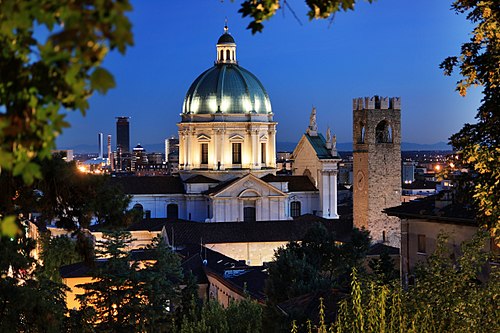
Nestled in the Lombardy region, Brescia is a city rich in history and industry, situated between the shimmering waters of Lake Garda, Lake Iseo, and the foothills of the Alps. About 100 kilometers east of Milan, this vibrant city serves as the provincial capital and a hub for automotive and metal industries, including renowned brands like Beretta and Perazzi. For vintage car enthusiasts, Brescia is a must-see destination during the Mille Miglia race, which both begins and concludes here. The city’s culinary scene also shines with the celebrated Franciacorta wines, often called Italy’s sparkling jewel. Walking through Brescia reveals a tapestry of history—from ancient Roman ruins and medieval castles to Renaissance squares—each telling stories of a city that has been a vital center since pre-Roman times.

Padova
Italy
Nestled in northeastern Italy, Padova—known locally as Padova in Italian and Pàdova in Venetian—is a vibrant university city and regional capital. Strategically positioned in the heart of the Veneto, it acts as a cultural bridge between Venice, Vicenza, and Verona. With a lively population of over 210,000 residents in the city and around 350,000 in the metropolitan area, Padova pulses with a blend of historic charm and modern energy, inviting visitors to explore its rich heritage and dynamic urban scene.
Trento
Italy
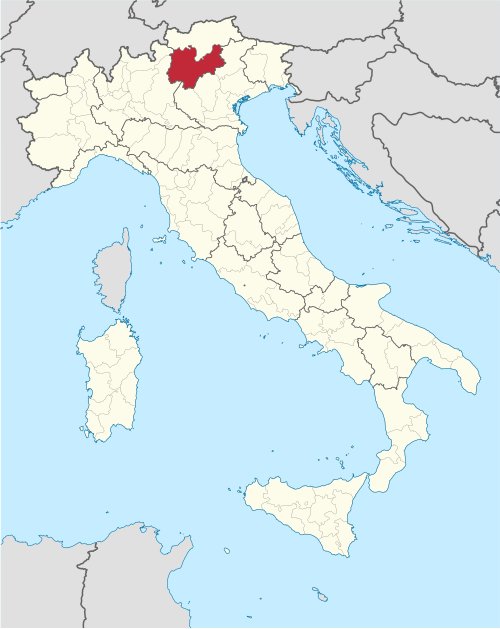
Nestled in a breathtaking Alpine valley, Trento—known as Trent in archaic English and Trient in German—serves as the vibrant heart of Italy’s autonomous Trentino province. With a population exceeding 120,000, this city is the third-largest in the Alps and boasts a storied history that predates Roman times, visible through its rich architectural tapestry. Surrounded by towering mountain ranges, Trento invites visitors to walk through centuries of cultural layers, where ancient relics and modern life intertwine amid stunning natural beauty.

Ferrara
Italy
Nestled in Italy’s Emilia-Romagna region, Ferrara is a charming city that’s a UNESCO World Heritage Site, thanks to its stunning Renaissance architecture and its proximity to the Po River delta. Just 44 kilometers northeast of Bologna, this historic town boasts wide, welcoming streets and an impressive array of palaces that once hosted the court of the House of Este. With a population of around 132,000 (as of 2016), Ferrara offers a perfect blend of cultural richness and scenic beauty—definitely worth a visit for history buffs and architecture lovers alike.

Cremona
Italy
Cremona, a charming city in Southern Lombardy nestled in Italy’s Po Valley, boasts a captivating medieval core where history and culture collide. Its main square is flanked by the stunning cathedral and the historic town hall, creating a picturesque backdrop for modern city life. Renowned in the 17th century for its exquisite violins—most famously crafted by Stradivarius—Cremona also holds musical roots as the birthplace of Claudio Monteverdi, the legendary composer behind the opera L'Orfeo. Today, this city offers a perfect blend of artistic heritage and vibrant contemporary culture.

Reggio nell'Emilia
Italy
Nestled in Italy's Emilia-Romagna region, Reggio nell'Emilia—often simply called Reggio by locals—is a city rich in history and charm. Situated along the historic Via Emilia, it lies conveniently between Parma and Modena, making it a perfect stop for travelers eager to explore northern Italy. With a population of approximately 172,500 residents, Reggio stands as the fourth-largest city in the region and a fascinating destination for those interested in Italy’s cultural tapestry. The city's old town boasts a unique hexagonal layout, a testament to its ancient defensive walls, and is dotted with splendid buildings from the 16th and 17th centuries. Sitting entirely on a flat plain crossed by the Crostolo stream, Reggio offers a peaceful yet historically vibrant atmosphere—an ideal place to delve into Italy’s regional history and enjoy its inviting ambiance.

Modena
Italy
Nestled in the heart of Italy’s Emilia-Romagna region, Modena is a city renowned for its rich artistic and historical heritage. Its UNESCO-listed complex, featuring the 12th-century cathedral, the striking Piazza Grande, and the iconic Ghirlandina tower, draws travelers eager to admire Italy’s Romanesque masterpieces. Beyond its artistic treasures, Modena’s cultural significance is complemented by its deep roots in automotive history, being the birthplace or home of legendary brands such as Ferrari, Lamborghini, Maserati, De Tomaso, and Pagani. The city’s university, established in 1175, is Italy’s second-oldest, specializing in law, medicine, and economics, while its Baroque Ducal Palace and the Biblioteca Estense offer a glimpse into its scholarly and aristocratic past. Modena’s culinary fame is anchored in its world-famous balsamic vinegar, making it a destination that beautifully balances art, history, and gastronomy.