

Netherlands
Arnhem
Nestled in eastern Netherlands near the German border, Arnhem is a lively city and the proud capital of Gelderland province. Built around the banks of the Nederrijn and Sint-Jansbeek rivers, the city’s history is woven into these waterways that fueled its growth. Covering roughly 55 square kilometers, Arnhem boasts a diverse landscape of heathlands, sand dunes, and peaceful woodlands, with the northern edge touching the Hoge Veluwe National Park. Today, over 150,000 residents call Arnhem home, and the city pulses with cultural and educational energy, from universities like Hogeschool van Arnhem en Nijmegen to art institutes, world-famous zoos, and top-tier sports facilities.
Image: Wikimedia Commons
Get to know more
Things to do
## Things to do in Arnhem Arnhem is a lively, green city where history, design and outdoor activities come together. It is famous for the Battle of Arnhem, and you can explore that story at the Airborne Museum at Hartenstein in nearby Oosterbeek, follow the Liberation Route, or take a historic city walk through Arnhem’s streets and monuments. Museum Arnhem adds contemporary art, applied art and jewellery to the cultural mix, while Burgers’ Zoo offers large, naturally designed habitats ranging from tropical rainforest and coral reef to desert and savannah. A trip to the Kröller-Müller Museum and its extensive sculpture garden is another rewarding way to experience the art and landscapes of the wider region. For a slower pace, walk, picnic or cycle through Arnhem’s parks and surrounding green spaces. Park Sonsbeek is a natural starting point, while the wider Veluwe and Veluwezoom landscapes offer marked cycling and hiking routes through woodland and heathland. The Rhine and nearby lakes also create opportunities for waterside walks, swimming and other warm-weather activities. Cyclists can continue into the surrounding river landscape, where castles, estates and villages add variety to the routes. In Arnhem city centre, browse the independent shops, cafés and restaurants of the seven small streets known as 7straatjes, then walk to Klarendal’s Modekwartier. The district is one of the reasons Arnhem is famous for fashion and design, with dozens of designer shops and studios in a former working-class neighbourhood. The centre is also well suited to an unhurried weekend: combine shopping and a museum visit with coffee or dinner, take a city walk, and leave time for a park or cycle ride. With museums and cinemas for rainy weather and green spaces, outdoor routes and waterside recreation for brighter days, Arnhem offers plenty to do on a weekend in every season.
Things to do
## Things to do in Arnhem Arnhem is a lively, green city where history, design and outdoor activities come together. It is famous for the Battle of Arnhem, and you can explore that story at the Airborne Museum at Hartenstein in nearby Oosterbeek, follow the Liberation Route, or take a historic city walk through Arnhem’s streets and monuments. Museum Arnhem adds contemporary art, applied art and jewellery to the cultural mix, while Burgers’ Zoo offers large, naturally designed habitats ranging from tropical rainforest and coral reef to desert and savannah. A trip to the Kröller-Müller Museum and its extensive sculpture garden is another rewarding way to experience the art and landscapes of the wider region. For a slower pace, walk, picnic or cycle through Arnhem’s parks and surrounding green spaces. Park Sonsbeek is a natural starting point, while the wider Veluwe and Veluwezoom landscapes offer marked cycling and hiking routes through woodland and heathland. The Rhine and nearby lakes also create opportunities for waterside walks, swimming and other warm-weather activities. Cyclists can continue into the surrounding river landscape, where castles, estates and villages add variety to the routes. In Arnhem city centre, browse the independent shops, cafés and restaurants of the seven small streets known as 7straatjes, then walk to Klarendal’s Modekwartier. The district is one of the reasons Arnhem is famous for fashion and design, with dozens of designer shops and studios in a former working-class neighbourhood. The centre is also well suited to an unhurried weekend: combine shopping and a museum visit with coffee or dinner, take a city walk, and leave time for a park or cycle ride. With museums and cinemas for rainy weather and green spaces, outdoor routes and waterside recreation for brighter days, Arnhem offers plenty to do on a weekend in every season.


Frequently asked questions
Build a day-by-day plan in the app
Turns city guides into routed itineraries with maps and stories.
Nearby cities
Within travel distance of Arnhem.

Nijmegen
Netherlands
Nijmegen proudly claims the title of the Netherlands' oldest city, a place steeped in history yet buzzing with contemporary culture. Known worldwide among hikers, it hosts the legendary International Four Days Marches Nijmegen—an epic multi-day walk drawing over 42,000 participants and a million spectators from around the globe. This event, celebrating its 100th edition in 2016, fills the city with festivities and energy. As Gelderland’s largest city, Nijmegen stands out for its progressive politics and vibrant student scene, blending historical charm with a lively, modern vibe.

Utrecht
Netherlands
Nestled along the gentle curves of the Oudegracht canal, Utrecht’s heart beats with centuries of history. Dominating the skyline is the majestic tower of the Dom Church, a testament to its medieval past. This vibrant Dutch city, with a population approaching 378,000, pulses with youthful energy, fueled by its renowned university and a lively student community. As twilight falls, the city awakens—its bustling streets transforming into a haven for nightlife, where cafes and clubs invite visitors to savor quick bites, raise a glass, or dance beneath the stars.

Eindhoven
Netherlands
Eindhoven, nestled in the southern Dutch province of North Brabant, is a city that pulses with modern innovation and vibrant culture. With over 230,000 residents as of 2019, it ranks as the Netherlands' fifth-largest city, yet remains under the radar for many travelers. This city’s story is one of transformation—from its roots at the meeting point of the Dommel and Gender rivers to its rise as an industrial powerhouse driven by giants like Philips and DAF Trucks. Today, Eindhoven is a hub of cutting-edge technology and design, home to a renowned technical university and a thriving community of creatives and innovators. Beyond its industrial past, the city now champions Dutch design, blending its rich history with a forward-looking spirit.

Amsterdam
Netherlands
Amsterdam, the vibrant capital of the Netherlands, unfolds like a living canvas of history and modernity. Its iconic canals, crisscrossing the city like shimmering ribbons, evoke the city’s nickname—Venice of the North—woven with over 1,500 bridges and exquisite architecture that whisper tales of a golden age. From its humble origins as a 12th-century fishing village, Amsterdam blossomed into a world-renowned port during the 17th-century Dutch Golden Age, a hub of trade, art, and innovation. Today, its lively neighborhoods, such as Jordaan and the UNESCO-listed Canal Belt, pulsate with cultural richness, while the city’s embrace of liberalism, cycling culture, and artistic legacy—home to painters like Rembrandt and Van Gogh—make it a magnet for explorers. With a population nearing 1 million in the city proper, Amsterdam’s charm lies in its harmonious blend of centuries-old traditions and contemporary vibrancy, inviting visitors to lose themselves in its enchanting streets.
Duisburg
Germany
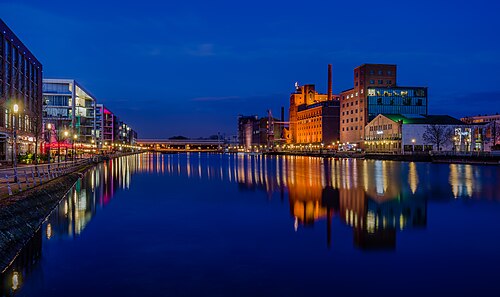
Nestled in the heart of North Rhine-Westphalia, Duisburg is a vibrant German city with a rich industrial past and a lively present. With nearly half a million residents, it stands out as a key player in the Ruhr region. Its claim to fame? The world's largest inland port, which makes the city a powerhouse of logistics and trade. Thanks to its strategic location near Düsseldorf Airport, Duisburg is a crucial hub for commerce, steel manufacturing, and international freight. Whether you’re exploring its historic roots, which trace back to Frankish times, or marveling at its modern industrial landscape, Duisburg offers a fascinating blend of history, industry, and innovation.

Essen
Germany
Essen, a vibrant hub in North Rhine-Westphalia, embodies a fascinating blend of industrial heritage and modern culture. Once a powerhouse of coal and steel, it transformed into a city celebrated for its innovative spirit, earning the title of European Capital of Culture in 2010 and the European Green Capital in 2017. The iconic Zeche Zollverein, a UNESCO World Heritage Site, stands as a testament to its industrial past, now hosting museums and cultural events that invite visitors to explore its storied history. With Bauhaus architecture dotting its landscape, Essen offers a compelling journey through Germany’s evolving urban identity, where tradition and progress coexist in a dynamic mosaic.
Mönchengladbach
Germany
Nestled in North Rhine-Westphalia, Germany, Mönchengladbach is a lively city with a population of around 262,000 residents as of 2017. This city blends rich history with modern charm, inviting visitors to explore its vibrant streets and cultural scenes.

Gelsenkirchen
Germany
Hidden beneath its industrial past, Gelsenkirchen emerges as a city of fascinating juxtapositions. Once a hub of coal mining and oil refining, it has transformed its once gritty refineries into lively event spaces and ice rinks. Old railway lines now whisper stories along scenic bike paths, while relics of machinery have been reborn as striking works of art. The city's history is written in its flames and factories, but today, it beckons curious explorers to uncover its offbeat charm.