

Belgium
Ostend
Ostend, known locally as Oostende, meaning 'East End,' is a vibrant seaside city nestled along Belgium's coast in West Flanders. With a population of around 70,000, this city has long been a magnet for those seeking the allure of the North Sea. Its beaches, which first captivated European aristocracy in the 19th century, continue to charm visitors today—though now the scene is more democratic, filled with towering holiday apartments and bustling hotels that line the shoreline. The promenade is a lively tableau of classic seaside charm, hosting a grand musical theatre and a casino, echoing generations of vacationers. Beyond its reputation as a holiday haven, Ostend also serves as an important port for cargo traffic across the English Channel, although passenger ferry services to the UK have stopped.
Image: Wikimedia Commons
Get to know more
Things to do
## Things to do in Ostend Ostend is a relaxed North Sea resort where a broad sandy beach, maritime heritage and Belgian art come together. Start with a walk along the beach and Albert I Promenade, then take a sea excursion from the West Pier for views of the coastline and harbour. You can also hire a bicycle to follow the coastal paths and dunes, or take the free ferry across the harbour towards the quieter beaches and nature around Bredene. In summer, the beach is the centre of activity, with places to stop for a drink, ice cream or a meal by the sea. Ostend is famous for its connection with the sea, fishing and artists. Step aboard the Mercator museum ship, explore the former fishing vessel Amandine, or visit Fort Napoleon in the dunes. At Atlantikwall Raversyde, bunkers, trenches and coastal batteries reveal the area’s wartime history; the same domain also includes the reconstructed medieval fishing village of Walraversijde and dune landscapes for walking. Art lovers can visit the James Ensor House, where the painter lived and worked, and look out for The Crystal Ship’s large-scale street art around the city. Mu.ZEE is a major destination for Belgian art, but is currently closed for renovation, so check its reopening status before visiting. For things to do in Ostend city centre, combine the promenade and harbour with the James Ensor House, the City Museum, Leopold Park and the shopping streets around the central station and main squares. Pause for locally caught seafood, browse independent shops and galleries, or simply watch the ferries and fishing boats from the waterfront. The compact centre makes it easy to mix culture, shopping, cafés and a beach walk without needing a car. Ostend also works well for weekend activities. A weekend in Ostend can include a long beach walk, a museum or historic site, lunch focused on seafood, and an evening by the promenade or in the city’s restaurants and bars. Families have plenty to do outdoors, while visitors interested in history, architecture, cycling or contemporary art can build a varied short break around the city’s museums and open-air attractions. Check the official visitor calendar for temporary exhibitions, guided walks, concerts and seasonal events before you go.
Things to do
## Things to do in Ostend Ostend is a relaxed North Sea resort where a broad sandy beach, maritime heritage and Belgian art come together. Start with a walk along the beach and Albert I Promenade, then take a sea excursion from the West Pier for views of the coastline and harbour. You can also hire a bicycle to follow the coastal paths and dunes, or take the free ferry across the harbour towards the quieter beaches and nature around Bredene. In summer, the beach is the centre of activity, with places to stop for a drink, ice cream or a meal by the sea. Ostend is famous for its connection with the sea, fishing and artists. Step aboard the Mercator museum ship, explore the former fishing vessel Amandine, or visit Fort Napoleon in the dunes. At Atlantikwall Raversyde, bunkers, trenches and coastal batteries reveal the area’s wartime history; the same domain also includes the reconstructed medieval fishing village of Walraversijde and dune landscapes for walking. Art lovers can visit the James Ensor House, where the painter lived and worked, and look out for The Crystal Ship’s large-scale street art around the city. Mu.ZEE is a major destination for Belgian art, but is currently closed for renovation, so check its reopening status before visiting. For things to do in Ostend city centre, combine the promenade and harbour with the James Ensor House, the City Museum, Leopold Park and the shopping streets around the central station and main squares. Pause for locally caught seafood, browse independent shops and galleries, or simply watch the ferries and fishing boats from the waterfront. The compact centre makes it easy to mix culture, shopping, cafés and a beach walk without needing a car. Ostend also works well for weekend activities. A weekend in Ostend can include a long beach walk, a museum or historic site, lunch focused on seafood, and an evening by the promenade or in the city’s restaurants and bars. Families have plenty to do outdoors, while visitors interested in history, architecture, cycling or contemporary art can build a varied short break around the city’s museums and open-air attractions. Check the official visitor calendar for temporary exhibitions, guided walks, concerts and seasonal events before you go.


Frequently asked questions
Build a day-by-day plan in the app
Turns city guides into routed itineraries with maps and stories.
Nearby cities
Within travel distance of Ostend.

Brugge
Belgium
Hidden beneath the unassuming charm of its cobblestone streets lies a tapestry of history and mystery—welcome to Bruges, the fairy-tale city of Flanders. Once Europe's wealthiest hub, this compact jewel boasts a remarkably preserved medieval center that draws over 400,000 curious souls each year, eager to wander through its enchanting canals and timeless architecture.

Dunkerque
France
Discover the captivating allure of Dunkirk, a historic port city in the Hauts-de-France region of northern France. Just 10 kilometers from the Belgian border, this vibrant destination offers a perfect starting point for exploring the European mainland, especially for travelers arriving from the UK. Beyond its strategic importance, Dunkirk beckons with its enchanting beaches, charming shopping districts, and a culinary scene that masterfully blends traditional Flemish flavors with fresh seafood. Renowned for the heroic Dunkirk Evacuation of World War II, where over eight days, a fleet of 900 vessels—comprising British, Canadian, French navy ships, and countless civilian boats—rescued 338,000 encircled soldiers, the city’s history is woven into its very fabric.

Gent
Belgium
Nestled in the heart of East Flanders, Ghent emerges as a city where history whispers from every stone. Once a medieval powerhouse, its wealth and influence shimmer through majestic churches and opulent merchant houses that stand as silent witnesses to a bygone era. The city center, painstakingly restored, breathes life into the echoes of a thriving city-state, where cobblestone streets are car-free corridors leading visitors through a living museum of Europe’s medieval grandeur. Here, the atmosphere is one of open invitation—welcoming, vibrant, and steeped in stories of prosperity and power.
Lille
France
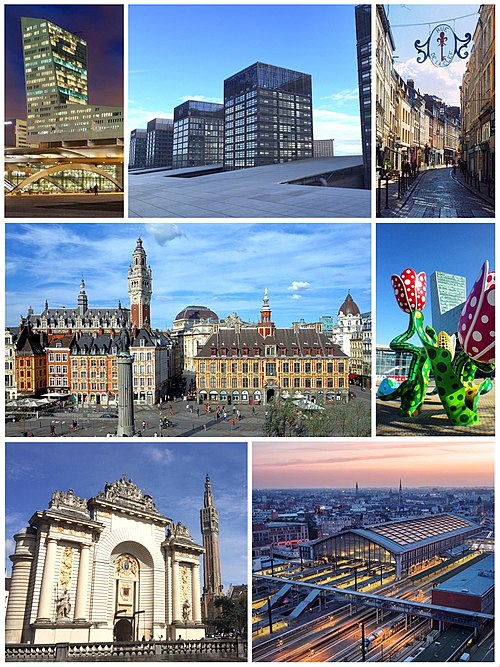
Lille, known locally as Rijsel in Dutch, stands at the heart of one of France’s most expansive metropolitan areas. This vibrant city boasts a striking historic core filled with charming Flemish-style architecture, making it a visual treat for visitors. As a hub of innovation and learning, Lille pulses with a lively nightlife fueled by its large student population and thriving cultural scene. Strategically positioned at Europe’s crossroads in Hauts-de-France, it’s just a 90-minute train ride from Paris, Brussels, and London. The surrounding towns of Villeneuve d'Ascq, Roubaix, and Tourcoing are all part of this dynamic metropolitan fabric, offering even more to explore.

Calais
France
Calais, a refined port city in the Hauts-de-France region, invites travelers to experience its unique blend of history, commerce, and coastal charm. With a population of approximately 73,000 residents as of 2019, this city holds a strategic position just 32 kilometers from England across the English Channel—Dover’s white cliffs are visible on clear days. Known for its bustling ferry port and proximity to the Channel Tunnel, Calais is a gateway to the UK and a hub of international trade. While many visitors arrive for the convenience of lower taxes on alcohol and tobacco, Calais reveals much more beneath its portside façade—rich history, vibrant local culture, and a resilient spirit that echoes through its centuries of transformation.

Antwerpen
Belgium
Antwerp, known locally as Antwerpen in Dutch and Anvers in French, is the lively heart of Belgium’s Flanders region. With a population of just over half a million (as of 2018), it’s the country’s second-largest city after Brussels and boasts a major European port that keeps the commerce flowing. Dive into its rich history, where striking old buildings from different eras tell stories of its past, and explore numerous museums that showcase its cultural depth. The city is also renowned worldwide as the diamond capital—more than 70% of all rough and polished stones pass through Antwerp’s bustling markets. Over recent years, Antwerp has become a hub for creatives, drawing artists, writers, and thinkers from all over. Its trendy bars, chic shops, and vibrant street life reflect this modern, dynamic vibe. While it may not have the medieval charm of Bruges or Ghent, Antwerp’s lively spirit and welcoming locals make it a perfect blend of history and contemporary flair—an inviting city where good food, good company, and a relaxed pace are part of the charm.

Brussels
Belgium
Brussels stands as the vibrant capital of Belgium, serving as one of the country’s three main regions alongside Flanders and Wallonia. Globally recognized for its diplomatic significance, the city hosts major international institutions, including NATO headquarters and key European Union offices, earning it the nickname often as the EU’s de facto capital. This dynamic city blends medieval Flemish charm with modernist ambitions, reflecting its history as a Flemish town transformed by grand post-war projects and contemporary architecture designed to accommodate its role on the world stage. Bilingual and increasingly cosmopolitan, Brussels is a melting pot of cultures and languages, offering visitors a rich tapestry of history, politics, and everyday life in a uniquely Belgian setting.

Canterbury
United Kingdom
Nestled in the heart of Kent in southeastern England, Canterbury is a city rich in history and spiritual significance. It’s renowned for its majestic cathedral, which serves as the spiritual seat of the Archbishop of Canterbury—the leading figure of the Anglican Communion and the spiritual leader of the Church of England. Beyond its religious importance, Canterbury also boasts a vibrant university scene and a charming mix of historic streets and modern life, making it a fascinating destination where history and culture intertwine.